

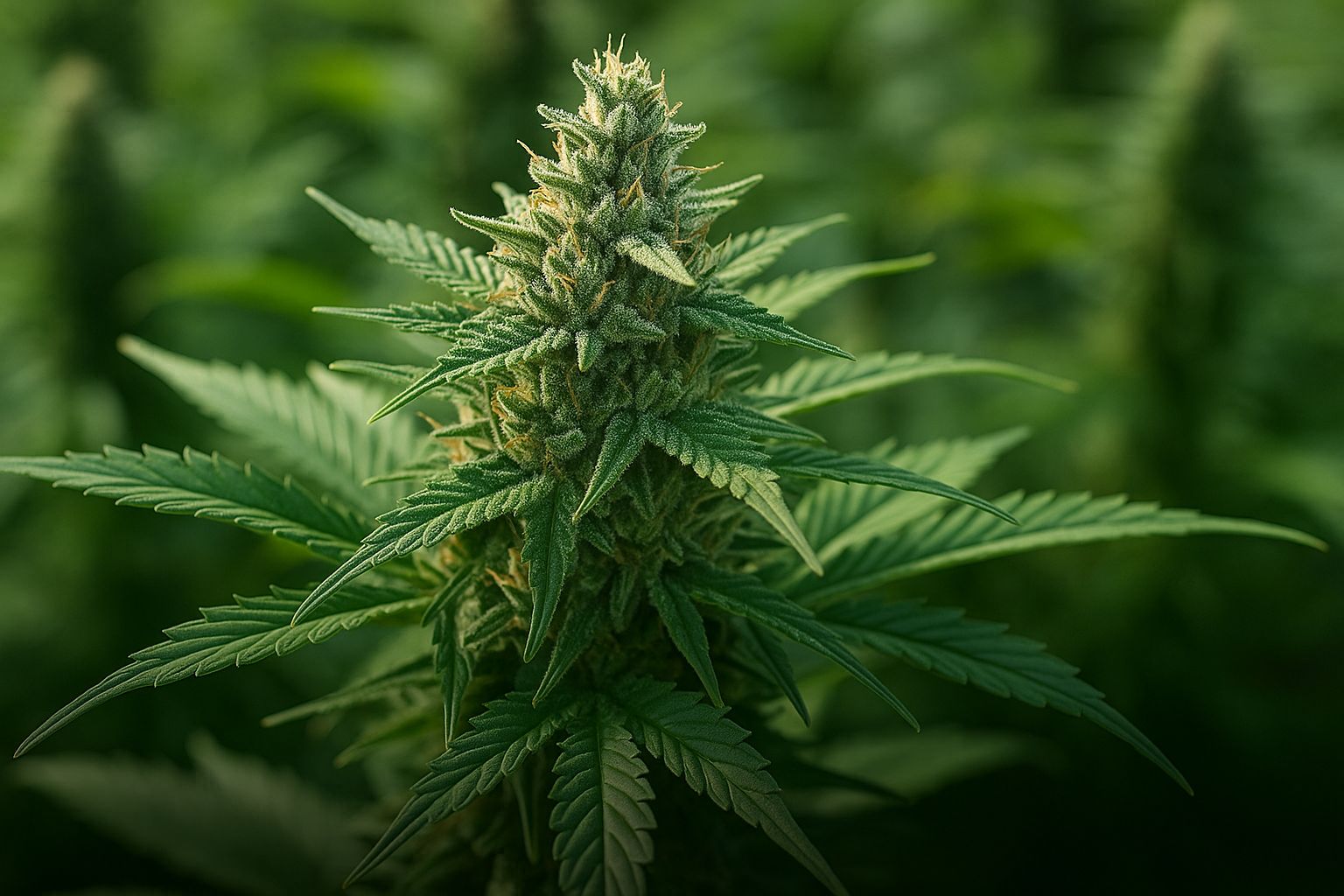
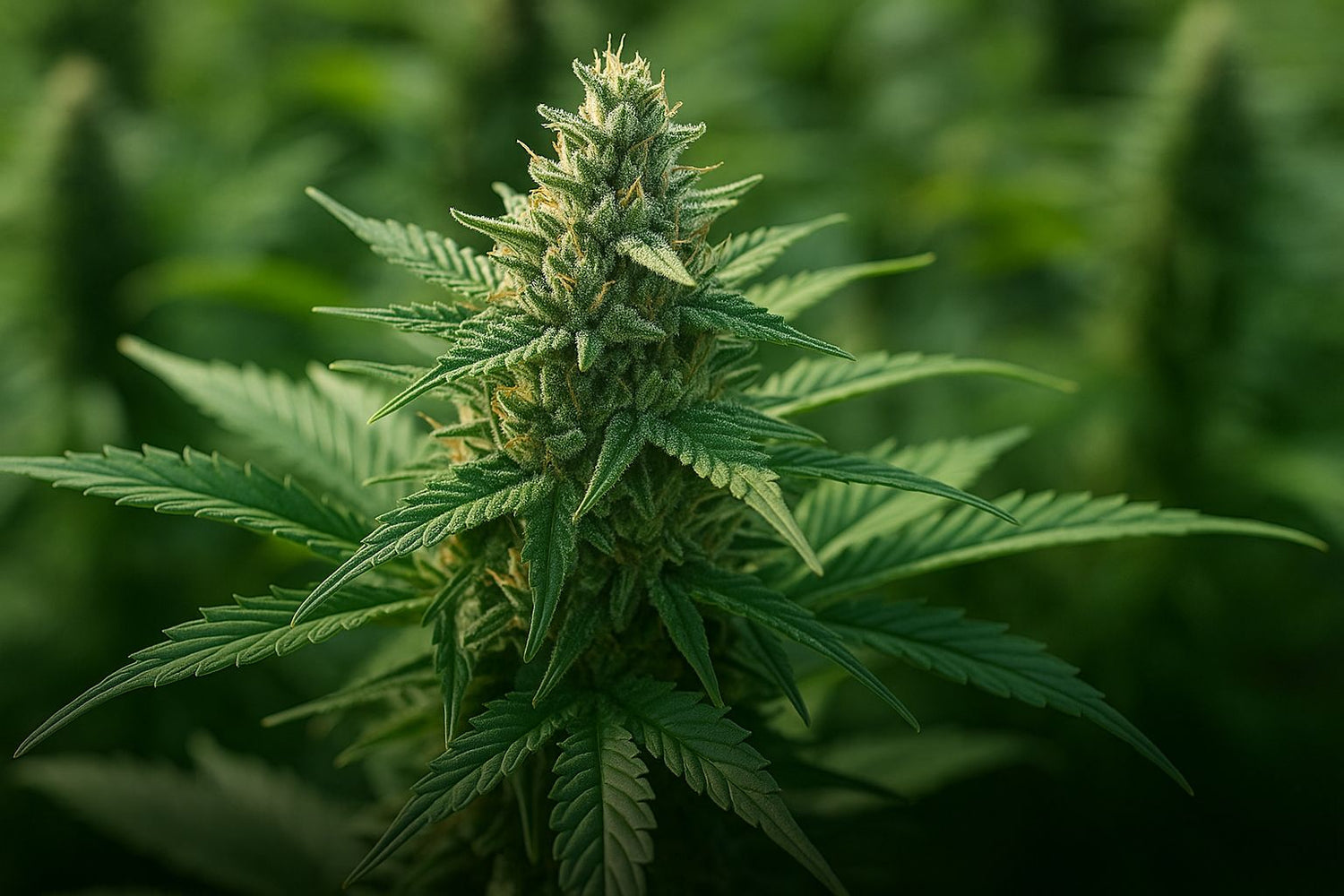
At Iberohemp, we value accurate information about hemp and its derivatives. In this article, we explain what CBC is, how it forms in the plant, the concentrations in which it may occur and what is currently known about its molecular interactions.
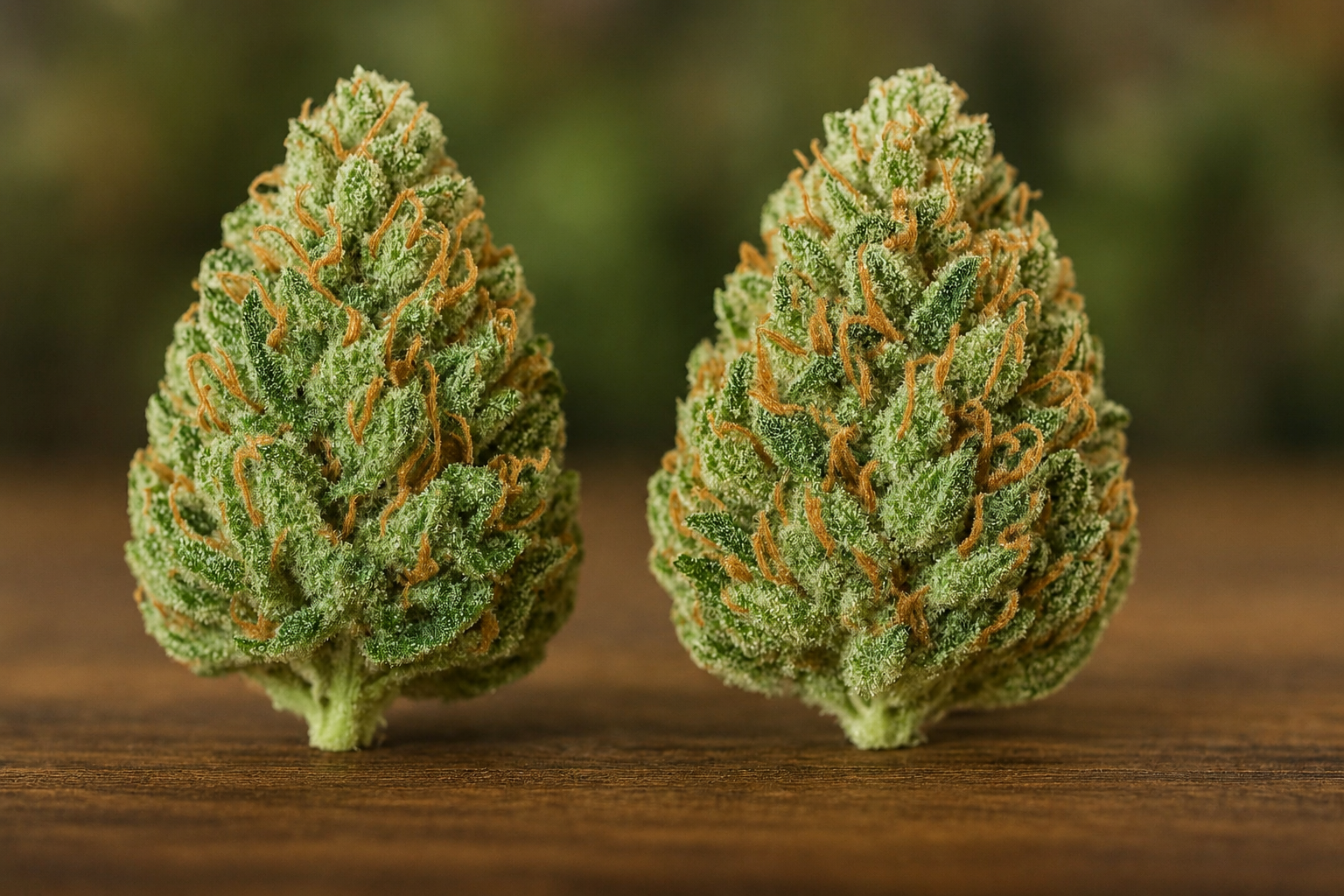
We also compare cannabichromene with other cannabinoids and review the main criteria for interpreting a product analysis. To explore some of the formats available in our catalogue, you can view our selection of CBD flowers.
What Is CBC? Definition and Background of Cannabichromene
Cannabichromene, commonly known as CBC, is a phytocannabinoid naturally produced by the Cannabis sativa plant. It is usually regarded as a minor cannabinoid because it generally appears in lower quantities than compounds such as CBD or THC, although its concentration may vary depending on genetics and production conditions.
Like other cannabinoids, CBC originates from biosynthetic precursors found in the plant. In fresh plant material, it appears mainly in its acidic form, known as cannabichromenic acid or CBCA. Through decarboxylation, CBCA can be converted into CBC.
CBC has a different chemical structure from THC and is not considered an intoxicating cannabinoid. However, this characteristic should not be interpreted as a general guarantee of safety or as a recommendation for use. The composition, intended commercial purpose and regulatory compliance of each product must be assessed individually.
Understanding what CBC is makes it easier to interpret the cannabinoid profile of a raw material or extract, particularly when this compound is quantified in a certificate of analysis.
Origin and Natural Presence of Cannabichromene in the Cannabis Plant
Cannabinoid biosynthesis begins with the formation of cannabigerolic acid or CBGA, which is considered a common precursor of several acidic cannabinoids.
Through the action of specific enzymes, CBGA can be converted into different compounds, including cannabichromenic acid or CBCA. Factors such as heat, time and certain processing conditions may then promote its decarboxylation and produce CBC.
Cannabinoids are mainly concentrated in the glandular trichomes of the inflorescences and other aerial parts of the plant. These structures also contain terpenes, flavonoids and other components of the phytochemical profile.
However, a specific aromatic contribution should not be attributed to CBC without analytical data to support it. The aroma of a variety depends mainly on the combination and concentration of its volatile compounds, particularly terpenes, rather than on a single cannabinoid.
CBC was identified during the first systematic studies of the chemical composition of cannabis carried out in the twentieth century. Today, chromatographic techniques make it possible to separate, identify and quantify it even when it is present at low concentrations.
How CBC Interactions with the Body Are Studied
CBC is being investigated for its interaction with different molecular targets. However, much of the available evidence comes from preclinical studies, cellular experiments and animal models. It therefore does not support recommendations for consumption or claims regarding medical, therapeutic or wellness applications.
Unlike THC, CBC has limited direct interaction with the CB1 receptor. Its possible interactions with CB2 and with certain channels belonging to the TRP family have also been investigated.
These mechanisms remain part of an ongoing field of research. It is therefore important to distinguish between an interaction observed under experimental conditions and an effect demonstrated in humans or in a commercial product.
CB1 and CB2 Receptors: Their Relationship with CBC
The CB1 and CB2 receptors form part of the endocannabinoid system. CB1 is widely distributed throughout the nervous system, while CB2 is found in different tissues and cell types.
CBC shows low direct activity at CB1, which helps distinguish its molecular profile from that of THC. Its relationship with CB2 and other pathways continues to be studied, but the available findings do not justify attributing specific effects in humans to CBC.
The absence of strong CB1 activation is associated with CBC being regarded as a non-intoxicating cannabinoid. Even so, the response to a product does not depend exclusively on CBC, but also on its complete composition, concentration, purity and form of use.
The term entourage effect is sometimes used to describe possible interactions between cannabinoids, terpenes and other cannabis components. However, it should not be presented as a confirmed explanation for all extracts or as a guarantee of a particular experience.
Interaction Studied with TRP Channels
In addition to cannabinoid receptors, CBC has been studied for its activity at certain transient receptor potential channels, or TRP channels, including TRPA1 and TRPV1.
These channels take part in numerous cellular signalling processes. However, identifying a molecular interaction does not in itself make it possible to infer a practical use, a specific physiological outcome or a commercial application.
Possible indirect mechanisms related to endocannabinoid signalling have also been proposed, although further research is still required to determine their scope and relevance.
Does CBC Interact with PPAR Receptors?
Some cannabinoids have been studied for their possible relationship with peroxisome proliferator-activated receptors, or PPARs. In the specific case of CBC, the available evidence is more limited and does not support a general claim that it acts significantly on these targets.
For this reason, any reference to PPAR receptors should be presented as a field of research rather than as a confirmed functional characteristic of cannabichromene.
Comparison Between CBC and Other Cannabinoids
CBC shares a plant origin and a common biosynthetic pathway with other cannabinoids, but it has its own structure and analytical profile.
- CBC and THC: they are different cannabinoids. THC can produce intoxicating effects through its activity at CB1, whereas CBC interacts with this receptor to a much lesser extent.
- CBC and CBD: both are considered non-intoxicating, but they have different structures, natural concentrations and molecular interactions.
- CBC and CBG: CBGA acts as a biosynthetic precursor of different acidic cannabinoids. CBG and CBC are separate compounds and must be quantified independently.
- CBCA and CBC: CBCA is the acidic form found mainly in the plant, while CBC can form through its decarboxylation.
The presence of CBC does not make it possible to predict the aroma, texture or other sensory characteristics of a product. Assessing these aspects requires analysis of the full combination of cannabinoids, terpenes, raw materials and manufacturing processes.
How CBC Is Identified and Quantified
The presence of CBC must be confirmed through a laboratory analysis. Appearance, aroma, variety name or origin cannot reliably determine its concentration.
One of the techniques used is high-performance liquid chromatography, or HPLC, which can separate and quantify acidic and neutral cannabinoids without necessarily exposing the sample to high temperatures.
Gas chromatography may also be used, although the temperature involved in the procedure can cause acidic cannabinoids to decarboxylate. The interpretation of the results therefore depends on the method, sample preparation and compounds included within the analytical scope.
Not all certificates include CBC or CBCA. Before comparing products, it is important to check which analytes the laboratory has actually assessed and what its detection and quantification limits are.
Possible Commercial and Industrial Applications of CBC
Scientific interest in minor cannabinoids has encouraged research into their incorporation into different raw materials and formulations. However, the presence of CBC does not in itself guarantee a technical application or commercial advantage.
Before using an extract containing CBC, factors such as its purity, stability, traceability, concentration, compatibility with other ingredients and compliance with applicable legislation must be assessed.
Any application must be supported by specific testing of the final formulation. Results obtained using isolated CBC in a laboratory cannot automatically be extrapolated to a cosmetic, material or commercial product.
Use in Cosmetics and Personal Care Products
Hemp-derived extracts may be studied as ingredients in certain cosmetic formulations, provided that they comply with the corresponding safety, documentation and legal requirements.
The possible incorporation of CBC into a cream, lotion, serum or cosmetic oil requires an assessment of:
- The identity and purity of the ingredient.
- The concentration used.
- The stability of the formula.
- Compatibility with the other components.
- The presence of contaminants or residues.
- The safety of the finished product.
- The compliance of commercial claims.
The joint presence of CBC and CBD does not support claims that a formula is more effective or provides specific sensations. Such characteristics must be demonstrated through the specific assessment of the finished product.
Research in Agriculture and Materials
Agronomic research examines cannabis varieties with different cannabinoid profiles, including genetics capable of producing detectable quantities of CBCA or CBC.
Genetic selection may be used to analyse the stability of a chemical profile, plant behaviour and the expression of enzymes involved in cannabinoid biosynthesis.
Hemp also has documented applications in areas such as fibres, cellulose, biocomposites and certain packaging materials. However, these applications are mainly related to the structural components of the plant rather than specifically to CBC.
The possible incorporation of cannabichromene into bioplastics, coatings or other materials should be regarded as a research hypothesis requiring stability, migration, safety and technical feasibility tests. It cannot be presented as an established industrial application.
Factors That Influence CBC Levels
The concentration of CBC and CBCA may vary depending on numerous factors related to the plant and its processing.
- Genetics: the variety largely determines the available enzymes and biosynthetic pathways.
- Stage of maturity: the cannabinoid profile may change during plant development.
- Growing conditions: lighting, temperature, nutrition and other parameters may influence plant metabolism.
- Harvest time: the date of harvesting may alter the relative proportions of different compounds.
- Drying and storage: time, temperature, light and oxygen may promote transformations or degradation.
- Processing: extraction methods and subsequent stages influence the composition of the final extract.
It is not correct to assume that a variety contains a specific amount of CBC based solely on its commercial name. The actual content must be confirmed through analysis of the relevant batch.
Guide to Selecting Products Containing CBC
To assess a product that claims to contain CBC, it is advisable to consult its technical data sheet and certificate of analysis, or COA.
For CBD flowers, the analysis can show whether CBC, CBCA and other cannabinoids have been quantified. For CBD hash, the raw material, production process and batch homogeneity should also be considered. For CBD oils, it is advisable to review the stated concentration, type of extract, carrier oil and available documentation.
The extraction method alone does not guarantee greater purity or the preservation of all cannabinoids. Quality must be assessed using analytical results and the product’s technical information.
Certificates, Labels and Actual Concentration
A certificate of analysis must correspond to the product and batch being assessed. To interpret it correctly, it is advisable to check:
- The product name or code.
- The batch number.
- The analysis date.
- The laboratory responsible.
- The analytical method used.
- The cannabinoids included in the test.
- The units used to express the results.
- The detection and quantification limits.
- Contaminant testing, where applicable.
A logo or reference to a standard on a report does not in itself prove that the method used falls within the laboratory’s scope of accreditation. Where this is relevant, the documentation issued by the accreditation body should be checked.
A single THC limit should not be applied to all hemp products. Requirements may vary depending on the country, product category, raw material, intended use and form of marketing. Compliance must be assessed in accordance with the legislation applicable in each case.
How Can You Tell Whether a Product Really Contains CBC?
The only reliable way to confirm this is to consult an analysis that expressly includes CBC and, where relevant, CBCA.
If the certificate does not include these compounds, it cannot be concluded that they are absent. It may simply mean that the laboratory did not analyse them or that the method was not sensitive enough to quantify them.
What CBC Is and Why It Matters
CBC, or cannabichromene, is a phytocannabinoid found in the cannabis plant that generally occurs at lower concentrations than CBD or THC. In plant material, it mainly appears through its acidic precursor, CBCA.
Its structure and limited direct activity at CB1 distinguish it from THC. Its interactions with TRP channels and other signalling pathways are also being studied, although the available evidence does not support attributing benefits to it or recommending its use for medical, therapeutic or wellness purposes.
CBC does not by itself determine the aroma, texture or quality of a product. A responsible assessment requires consideration of the full cannabinoid and terpene profile, traceability, production process and batch-specific analyses.
Consulting verifiable documentation makes it possible to compare flowers, hash, oils and other hemp-derived raw materials more accurately, avoiding claims based solely on the name of the cannabinoid.
Meta Title: What Is CBC? A Guide to Cannabichromene
Meta Description: Discover what CBC or cannabichromene is, how it forms in the cannabis plant, how it differs from other cannabinoids and how to identify it in an analysis.


Leave a comment
This site is protected by hCaptcha and the hCaptcha Privacy Policy and Terms of Service apply.