

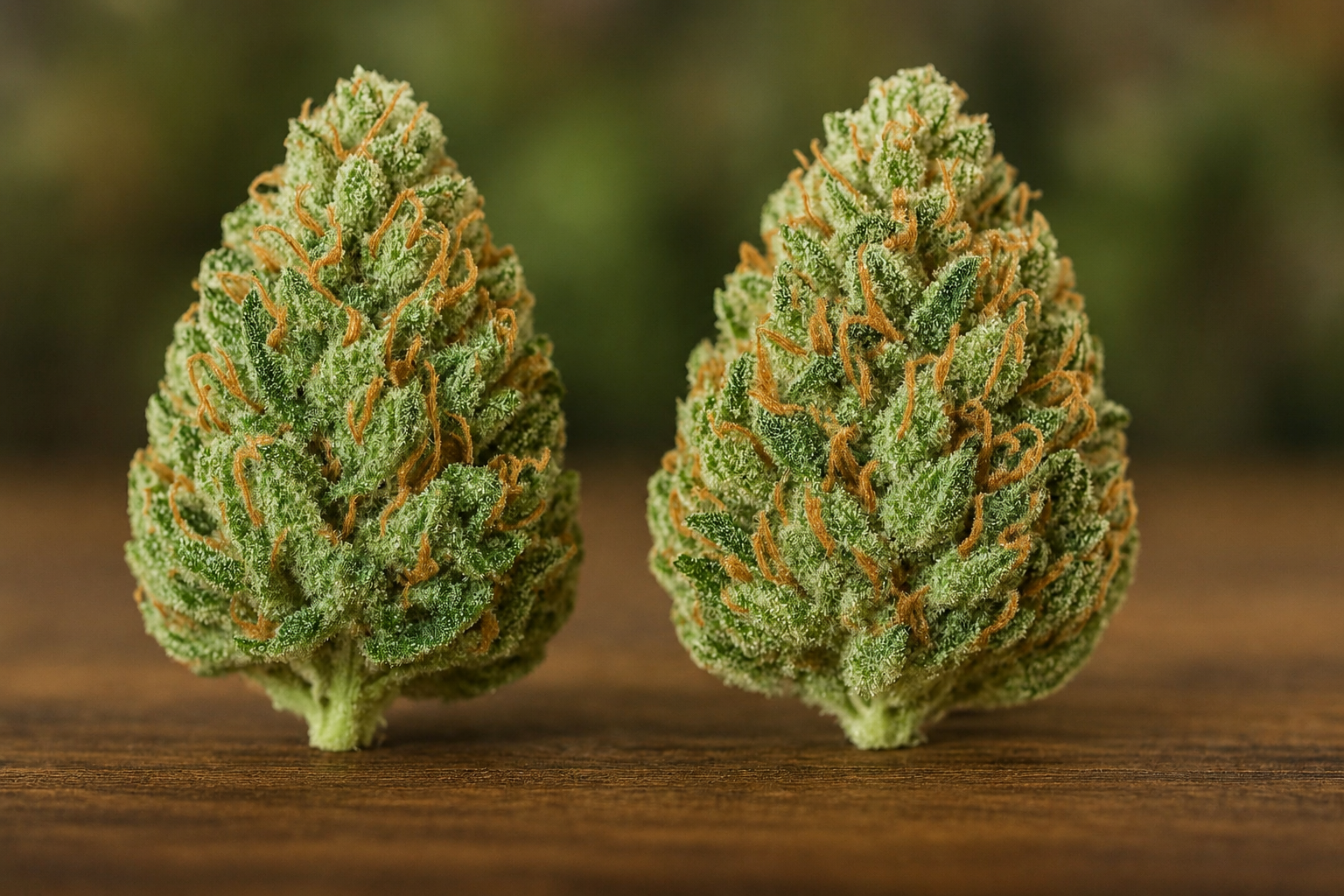
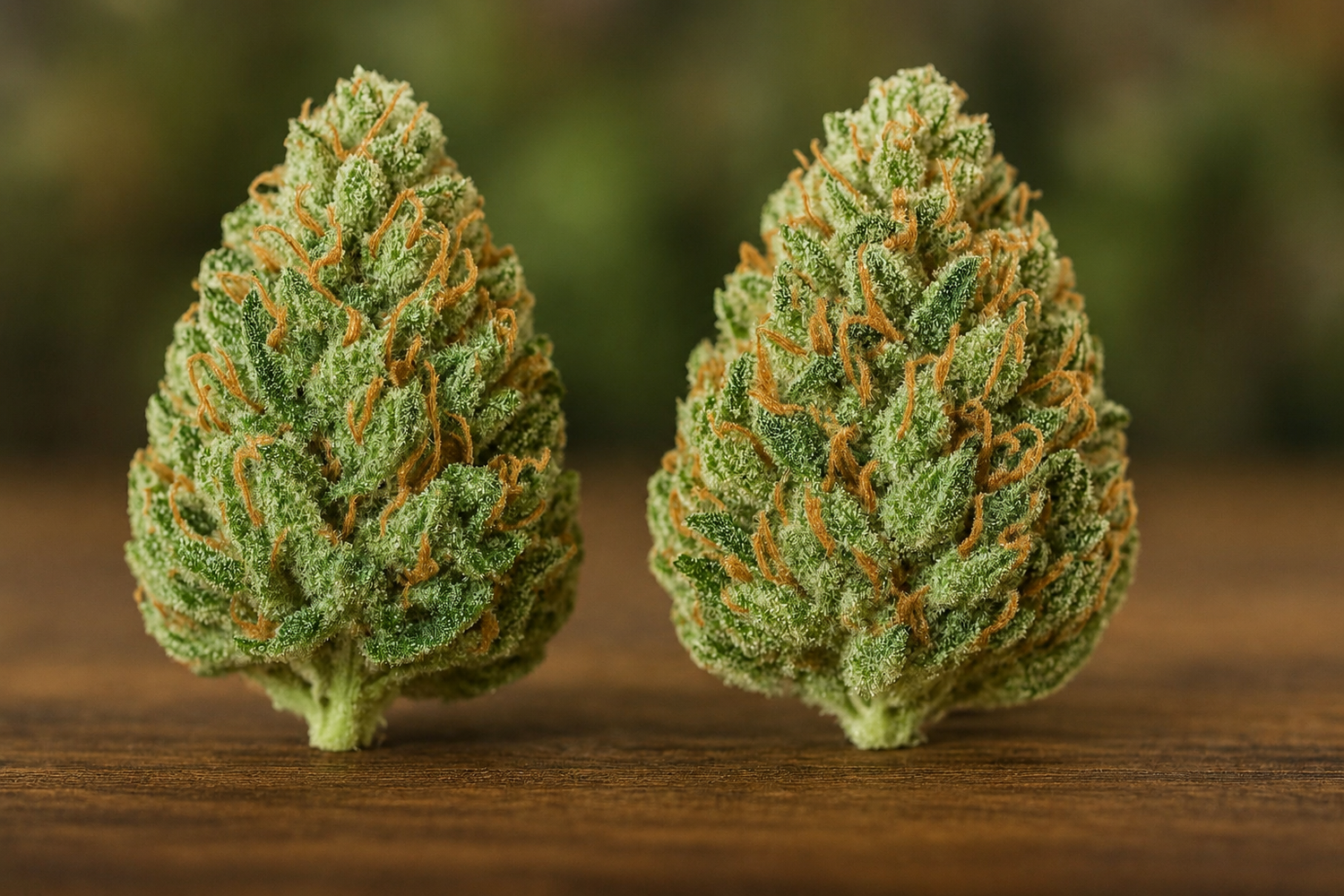
At Iberohemp, we examine the differences between THCA and THCB, two cannabinoids found in the Cannabis sativa plant that have attracted interest because of their chemical characteristics and their presence in different hemp varieties.
Although both belong to the cannabinoid family, they differ significantly in terms of their chemical structure, origin within the plant, natural concentration and laboratory identification. Understanding these characteristics can be useful for growers, laboratories, manufacturers and professionals working with hemp-derived raw materials.
In this article, we provide an objective overview of what THCA and THCB are, how they are obtained, their main differences and the factors that should be considered when assessing hemp extracts or derived products. To explore some of the available formats, you can visit our collection of CBD flowers, made from carefully selected raw materials.
Historical context and origins of THCA and THCB
The study of cannabinoids began to develop during the second half of the 20th century, when advances in analytical chemistry made it possible to isolate and identify numerous compounds present in the cannabis plant.
THCA, or tetrahydrocannabinolic acid, was one of the cannabinoids identified during the development of this research. It is the acidic precursor of THC and occurs naturally in the plant before the decarboxylation process takes place.
THCB, or tetrahydrocannabutol, was identified later through high-resolution analytical techniques capable of detecting cannabinoids present in very low concentrations. Although it shares part of its structure with other cannabinoids, it is considered a minor compound because of its limited natural abundance.
The identification of minor cannabinoids such as THCB highlights the complexity of the plant’s chemical profile and the importance of continuing to study the wide range of compounds found within it.
THCA vs THCB comparison: structure and chemical differences
Although their names may appear similar, THCA and THCB are different cannabinoids.
THCA is an acidic cannabinoid that acts as a precursor to THC. When exposed to certain temperatures or to the passage of time, it loses a carboxyl group through a process known as decarboxylation and is converted into THC.
THCB, by contrast, belongs to a different structural family. Its main difference from THC lies in the length of its side chain, which contains four carbon atoms, whereas the side chain of THC contains five. This variation changes certain chemical properties and allows the compounds to be distinguished through specialised analytical techniques.
For this reason, comparing THCA and THCB involves more than simply distinguishing between two similar molecules. It requires an understanding that they belong to different categories within the broad group of cannabinoids identified in the plant.
Molecular composition: main differences
One of the most significant differences between these two cannabinoids lies in their molecular structure.
THCA contains a carboxyl group, which is characteristic of the acidic cannabinoids found in fresh plant material. This feature influences its behaviour during laboratory testing and its transformation through decarboxylation.
THCB, on the other hand, is not the acidic form of THCA. It is a separate cannabinoid whose structure is primarily characterised by a four-carbon side chain.
These structural differences make it possible to identify and quantify both compounds through high-precision chromatographic techniques commonly used to produce certificates of analysis.
THCA decarboxylation
Decarboxylation is a chemical process in which THCA loses a carboxyl group and is converted into THC.
This transformation may occur as a result of heat, the passage of time or certain industrial processing methods.
It is important to note that this process affects THCA, whereas THCB is a separate cannabinoid and is not produced directly through the decarboxylation of THCA. Both compounds must therefore be analysed independently when assessing the cannabinoid profile of a sample.
Presence in the hemp plant and extraction methods
THCA and THCB occur naturally in the Cannabis sativa plant, although their presence and concentration vary considerably depending on the plant's genetics, growing conditions and harvest timing.
THCA is generally found in higher concentrations in certain varieties, whereas THCB is considered a minor cannabinoid, as it is typically detected only in much smaller amounts.
Factors such as the cultivated variety, environmental conditions, plant nutrition, maturity at harvest and the preservation of the plant material influence the final cannabinoid profile. For this reason, two plants of the same species may have different compositions.
In the production of hemp-derived products intended for non-medicinal uses, understanding the cannabinoid profile of the raw material is essential to ensure traceability, batch consistency and compliance with established quality criteria.
Typical concentrations in different varieties
Cannabinoid concentrations can vary significantly between different varieties.
In general terms, THCA is usually present in considerably higher amounts than THCB, which is commonly identified only in very low concentrations using highly sensitive analytical techniques.
There is no fixed concentration for either cannabinoid, as their presence depends on several factors:
- The genetics of the variety.
- The cultivation conditions.
- The harvest timing.
- The drying and preservation method.
- The stability of the sample during storage.
For this reason, laboratories analyse each batch individually to determine its actual composition and avoid conclusions based solely on general values.
Extraction and processing techniques
Cannabinoid extracts can be obtained through different procedures. The choice depends on the type of raw material, the desired chemical profile and the final product to be developed.
The most commonly used techniques include:
- Supercritical CO₂ extraction, used because it allows parameters such as pressure and temperature to be controlled while reducing the presence of solvent residues.
- High-purity ethanol extraction, used to obtain complex extracts and facilitate subsequent filtration or purification stages.
- Mechanical processes, applied in certain formats to separate components from the plant material without using solvents.
Each system has advantages and limitations. For this reason, it should be selected according to the production objectives, the available equipment and the defined quality standards.
It is also necessary to control temperature, light exposure, oxygen and storage conditions, as these factors may affect the stability of certain cannabinoids.
Laboratory detection and analysis
Identifying THCA and THCB requires analytical techniques capable of distinguishing compounds that may be present at very different concentration levels.
Specialised laboratories use validated methods to identify each cannabinoid and quantify its presence within a sample. These analyses are essential for:
- Verifying the composition of the extract or plant material.
- Ensuring the traceability of each batch.
- Issuing Certificates of Analysis or COAs.
- Monitoring quality throughout the different production stages.
- Checking compliance with applicable regulations.
A Certificate of Analysis issued by an independent laboratory provides useful information about the composition of the sample, although it must be interpreted by taking into account the method used, the detection limits and the date of the analysis.
Gas chromatography and liquid chromatography
The chromatographic techniques most commonly used to analyse cannabinoids are High-Performance Liquid Chromatography (HPLC) and Gas Chromatography (GC).
HPLC allows acidic and neutral cannabinoids to be analysed without exposing the sample to high temperatures. For this reason, it is particularly suitable for quantifying compounds such as THCA without causing their transformation during the analysis.
GC, on the other hand, uses high temperatures. These conditions may cause acidic cannabinoids to decarboxylate, so when they need to be measured separately, additional sample preparation or derivatisation procedures may be required.
The choice between one technique and the other depends on the purpose of the analysis, the type of sample, the available equipment and the protocols applied by each laboratory.
Method validation and quality standards
To obtain reliable results, laboratories must validate their analytical methods using recognised parameters.
The main validation criteria include:
- Linearity.
- Precision.
- Repeatability.
- Selectivity.
- Limit of Detection.
- Limit of Quantification.
- Analyte recovery.
The use of Certified Reference Materials, equipment calibration and participation in interlaboratory controls help improve the accuracy and comparability of the results.
For manufacturers and distributors, having analyses carried out by competent laboratories provides an additional guarantee of transparency, traceability and quality control.
Commercial applications in non-medicinal hemp products
The identification of cannabinoids such as THCA and THCB expands our understanding of hemp's chemical composition and may be relevant for companies involved in analysis, research or the development of hemp-derived raw materials.
However, the presence of these compounds alone does not imply a specific commercial application. Before incorporating an extract into a product, it is essential to assess its composition, stability, purity, traceability and compliance with the applicable regulations.
In sectors such as cosmetics and materials research, hemp extracts may be studied for their technical characteristics, aromatic profile or compatibility with other raw materials. These applications should always be described objectively, without attributing medical, therapeutic or wellness effects to cannabinoids.
Cosmetic and personal care formulations
Hemp extracts may be incorporated into cosmetic formulations provided that the raw materials comply with the relevant legal and safety requirements.
When developing this type of product, formulators should evaluate aspects such as:
- The complete composition of the extract.
- Its stability within the formulation.
- Its compatibility with other ingredients.
- The presence of residues or contaminants.
- The supplier's technical documentation.
- Compliance with the applicable cosmetic regulations.
It is also important to remember that the aroma and sensory characteristics of an extract do not depend exclusively on THCA or THCB. Terpenes, flavonoids and other naturally occurring plant compounds can significantly influence the final profile.
Therefore, a specific aromatic or sensory characteristic should not be attributed to a single cannabinoid without analytical evidence to support such a claim.
Research and development of new materials
Hemp derivatives may also be used in research projects related to materials, coatings, packaging or biomass utilisation processes.
However, these research areas generally focus on components such as fibres, cellulose, vegetable oils or specific plant extracts rather than individual cannabinoids such as THCA or THCB.
When studying the incorporation of cannabinoid extracts into a material, it is necessary to evaluate experimentally:
- Stability during processing.
- Behaviour when exposed to heat and light.
- Compatibility with the selected matrix.
- The potential migration of components.
- The safety of the finished material.
- The technical and economic feasibility of the project.
For this reason, any statements regarding their application in adhesives, polymers, coatings or packaging should be supported by verifiable evidence rather than presented as established facts.
Practical guide to evaluating products containing THCA and THCB
When comparing hemp-derived products or raw materials, it is essential to review the analytical information available for each batch.
A Certificate of Analysis (COA) should indicate which cannabinoids have been detected, their concentration and the analytical method used to obtain the results.
Within the Iberohemp catalogue you can explore different product formats, including CBD flowers, CBD hash and CBD oils. The specific composition of each product should always be assessed according to the analytical information provided for its individual batch rather than assuming that all products share the same cannabinoid profile.
In addition to THCA and THCB concentrations, it is advisable to verify that the levels of THC and the remaining analysed compounds comply with the applicable legislation in the destination market.
Key factors to review on labels and Certificates of Analysis
Before selecting a raw material or finished product, it is advisable to review the following information:
- Product identification and batch number.
- Sample collection date.
- Analysis date.
- The laboratory responsible for the analysis.
- The analytical method used.
- Detection and quantification limits.
- The concentration of each cannabinoid.
- The presence of potential contaminants.
- Consistency between the COA and the marketed batch.
Where relevant, it is also advisable to verify whether the laboratory holds accreditation for the specific analytical method performed. The presence of an ISO logo alone does not necessarily mean that the test itself is covered by the accreditation scope.
Traceability from the raw material through to the finished product provides an additional level of confidence and facilitates comparisons between different batches.
Frequently asked questions when comparing extracts
What concentration of THCA or THCB should a product contain?
There is no universally appropriate concentration. It depends on the intended technical purpose, the formulation, the applicable legislation and the product specifications.
Does the origin of the hemp influence cannabinoid levels?
Yes. Genetics, cultivation conditions, harvest timing, drying methods and storage conditions can all influence the cannabinoid profile of the plant material.
Is THCB included in every Certificate of Analysis?
Not necessarily. Because THCB is considered a minor cannabinoid, some analytical methods do not include it or may not be sufficiently sensitive to quantify it accurately. For this reason, it is advisable to check which analytes are covered by the report.
Does supercritical CO₂ extraction preserve all cannabinoids better?
No general conclusion can be drawn. The final result depends on variables such as pressure, temperature, extraction time and subsequent processing. The quality of an extract should always be assessed through its analytical composition rather than the extraction technique alone.
Does a Certificate of Analysis guarantee product quality?
A COA provides valuable analytical information, but it should always be evaluated together with the product's traceability, manufacturing processes, supplier documentation and the correspondence between the certificate and the marketed batch.
Conclusion: THCA vs THCB
THCA and THCB are distinct cannabinoids that differ in both their chemical structure and their natural occurrence within the hemp plant.
THCA is an acidic cannabinoid and the precursor to THC, whereas THCB is a minor cannabinoid characterised by a four-carbon side chain. Therefore, THCB is not the neutral form of THCA and is not produced through the decarboxylation of THCA.
Understanding these differences allows for a more accurate interpretation of Certificates of Analysis, a better evaluation of raw materials and helps avoid common misconceptions found in educational and commercial content.
When selecting hemp-derived products, it is advisable to review the information corresponding to each batch, the analytical method used, product traceability and compliance with the applicable legislation. The presence or absence of any cannabinoid should always be confirmed through verifiable analytical data rather than general descriptions.


Leave a comment
This site is protected by hCaptcha and the hCaptcha Privacy Policy and Terms of Service apply.