At Iberohemp, we understand the growing interest in THCV and its place within the broad group of compounds found in cannabis and hemp. This minor cannabinoid shares certain structural characteristics with THC, but it also has differences that influence its identification and molecular behaviour.
In this article, we examine its characteristics, natural origin, scientific profile, the formats in which it may be found and the main legal considerations that should be taken into account. The aim is to provide a clear, rigorous and accessible guide that helps readers interpret the presence of THCV in products and laboratory analyses.
What THCV Is and Its Essential Characteristics
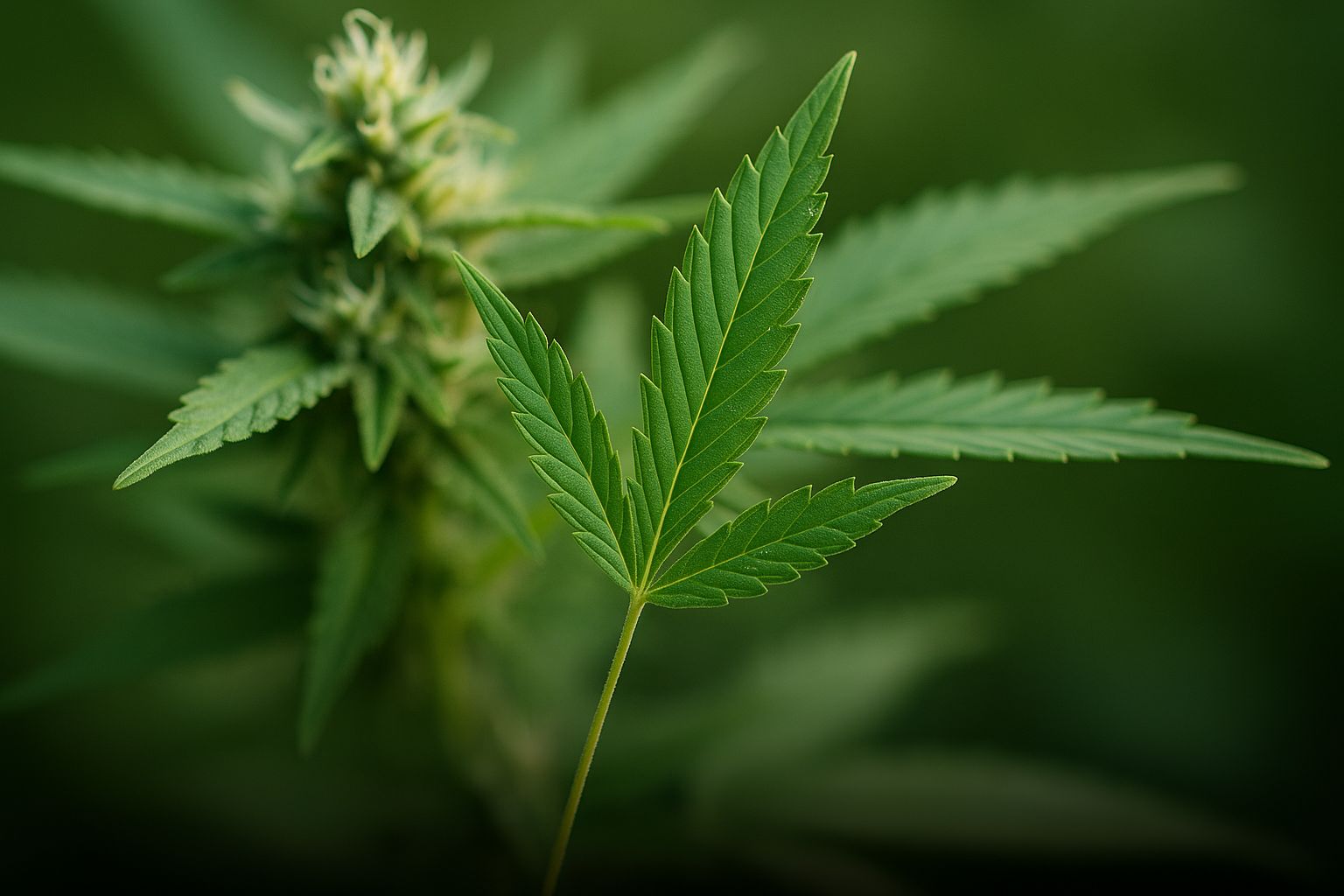
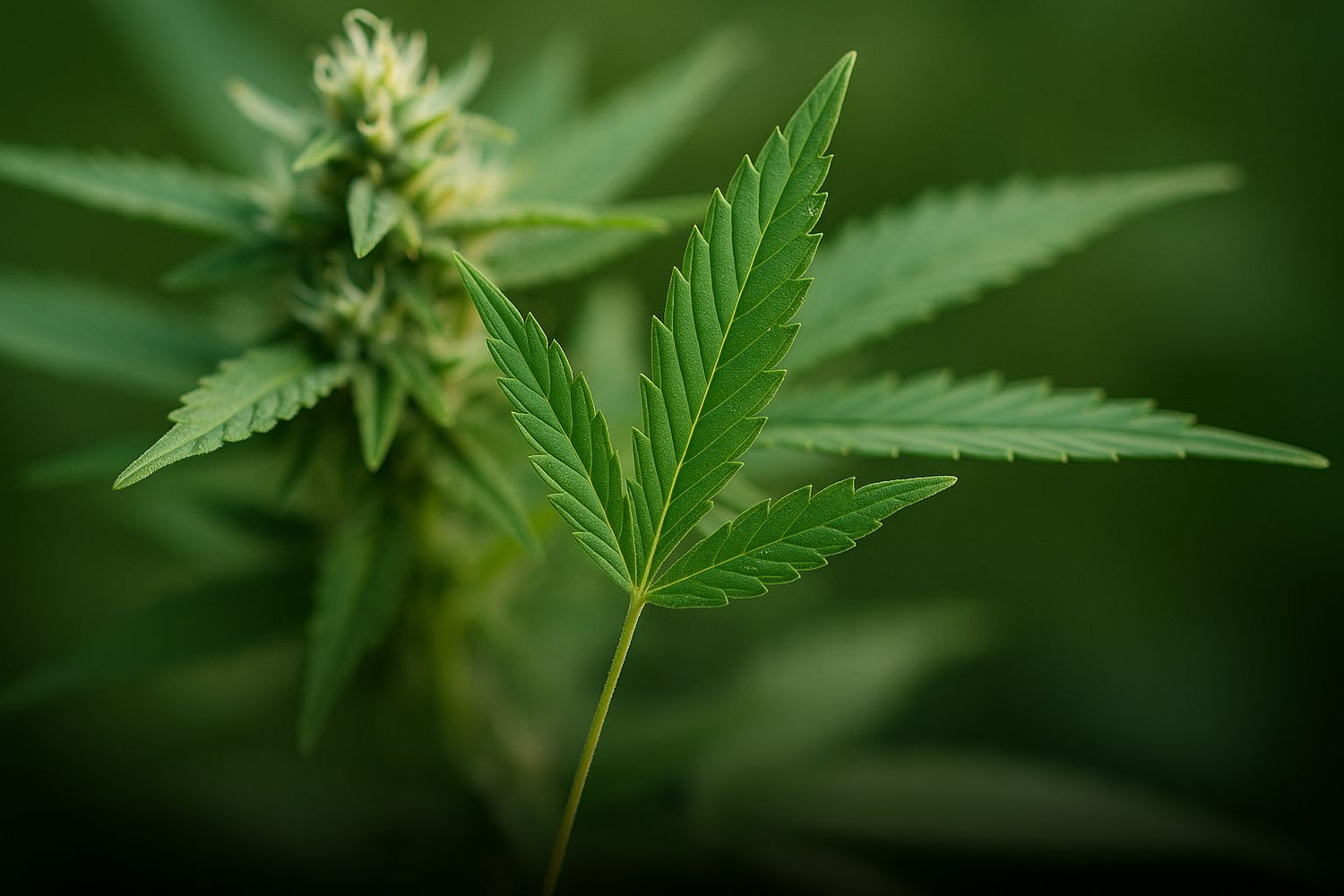
THCV, or tetrahydrocannabivarin, is a phytocannabinoid naturally produced by certain varieties of Cannabis sativa. It is generally considered a minor cannabinoid because it normally appears in lower concentrations than more abundant compounds such as CBD or THC.
Its chemical structure has similarities to delta-9-tetrahydrocannabinol. However, the length of its side chain is different, which may alter its interaction with certain molecular targets.
This structural variation has generated scientific interest in comparing THCV with other cannabinoids. However, the available results depend on the experimental model, the concentration studied and other specific conditions, so they should not automatically be extrapolated to people or commercial products.
Origin of the Term “Varin” and Other Related Names
The term “varin” is used in the nomenclature of certain cannabinoids that have a three-carbon side chain, known as a propyl chain. This feature distinguishes them from related cannabinoids with a five-carbon side chain.
The abbreviation THCV comes from the name tetrahydrocannabivarin. Its acidic precursor is called tetrahydrocannabivarinic acid and is commonly identified by the abbreviation THCVA.
Neutral THCV should not be confused with THCVA. In fresh plant material, the compound is mainly found in its acidic form. Exposure to heat or the passage of time may promote its decarboxylation and convert it into THCV.
Understanding these names is useful when interpreting scientific literature, technical data sheets and certificates of analysis, where the acidic and neutral forms may be quantified separately.
Differences Between THCV and Other Cannabinoids
One of the main differences between THCV and THC lies in their side chains:
- Delta-9-THC has a five-carbon side chain.
- THCV has a three-carbon side chain.
This difference may alter its affinity and activity at receptors such as CB1 and CB2. However, it is not correct to state that the shorter chain simply reduces or “shortens” its interaction with these receptors.
Experimental studies indicate that THCV may behave differently depending on the concentration, tissue analysed and study design. In some models, antagonist activity at CB1 has been observed, while other research has described different behaviour under specific conditions.
It should therefore not be presented as a weaker version of THC or assigned a single, predictable response.
Another relevant feature is its presence in less common genetics. This affects its availability and means that products containing clearly quantifiable amounts of THCV are less common than products dominated by CBD or THC.
Natural Presence and Origin of THCV
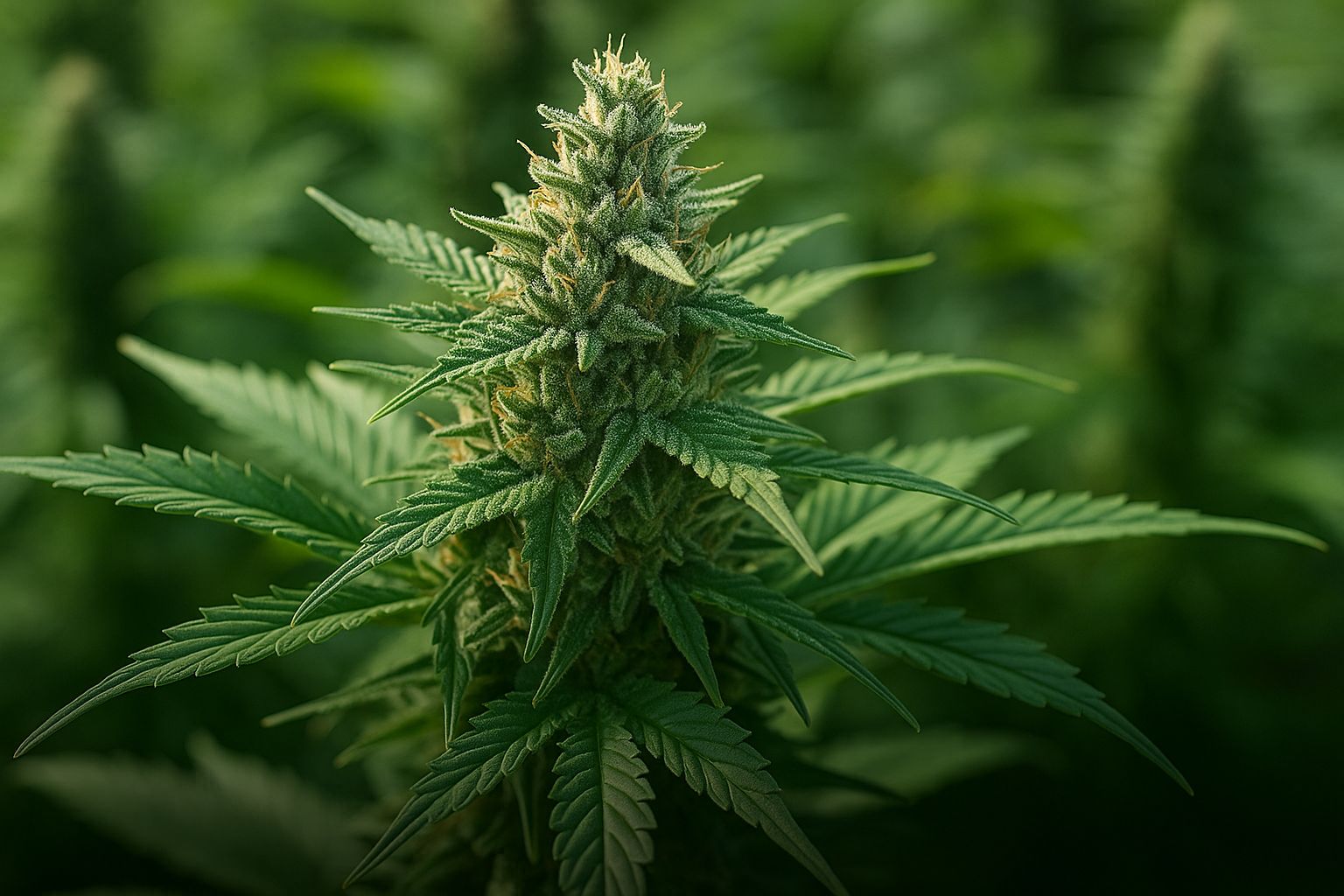
THCV can be found in cannabis plants, although its concentration varies considerably between varieties. The production of this cannabinoid depends mainly on the genetics of the plant and the enzymes involved in its biosynthetic pathway.
In fresh plant material, it appears mainly as THCVA. Decarboxylation may subsequently convert this acidic precursor into THCV.
Its mere presence in a variety does not mean that it is found in a relevant concentration. To determine the actual content, it is necessary to consult a batch-specific analysis.
Cannabis Varieties Associated with Higher THCV Levels
Certain cannabis populations and varieties of African origin have been described as containing higher proportions of varin-type cannabinoids. Commercial varieties selected for their specific profiles also exist, including Durban Poison and certain Pineapple Purps lines.
However, the name of a variety does not guarantee a particular amount of THCV. Chemical profiles may vary between phenotypes, crops, harvests and even batches sold under the same commercial name.
To assess CBD flowers, the corresponding certificate of analysis must be reviewed. Appearance, aroma, geographical origin or genetic name cannot confirm the presence or concentration of THCV on their own.
Factors That May Influence THCV Levels
Genetics is one of the main factors determining a plant’s ability to produce THCVA and THCV. The stage of maturity, environmental conditions, harvest time and subsequent processes may also have an influence.
Factors to consider include:
- The variety and phenotype of the plant.
- The expression of enzymes involved in biosynthesis.
- The stage of maturity at harvest.
- General growing conditions.
- Drying, storage and exposure to heat.
- The extraction and processing method.
There is not enough evidence to state generally that cool nights, high phosphorus levels, a specific irrigation regime or certain pruning techniques specifically increase THCV.
These variables may influence the overall development of the plant, but their direct relationship with THCV concentration must be demonstrated through comparative analyses and controlled trials.
Scientific Profile and Structure of THCV
The study of THCV helps researchers analyse how small structural variations may alter the behaviour of a cannabinoid.
Most of the available information comes from laboratory studies, cellular models, animal research and a limited number of human studies. For this reason, the current evidence does not support attributing medical, therapeutic or wellness benefits to THCV or making recommendations for its use.
Molecular Composition and Physicochemical Properties
THCV has the molecular formula C₁₉H₂₆O₂ and an approximate molecular mass of 286.4 g/mol.
Its structure includes a three-carbon side chain, compared with the five-carbon side chain found in delta-9-THC. This structural difference contributes to the distinct molecular profiles of the two compounds.
Like other cannabinoids, THCV is lipophilic, meaning it has a greater affinity for fatty media than for water. This characteristic must be considered when developing and analysing extracts and formulations.
Values relating to its melting point, boiling point or stability may vary according to the source, compound purity and measurement method. For this reason, a single temperature should not be used as a universal reference without specifying the experimental conditions.
Interaction of THCV with Cannabinoid Receptors
THCV has been studied for its interaction with the CB1 and CB2 receptors, which form part of the endocannabinoid system.
The CB1 receptor is widely distributed throughout the nervous system, while the CB2 receptor is found in various tissues and cell types.
Studies involving THCV indicate that its activity cannot be summarised with a single definition. In certain experiments, it has behaved as a CB1 antagonist, while its activity may vary depending on the concentration and system analysed.
Its relationship with CB2 has also been studied. Some preclinical research has described partial agonist activity, but these findings do not support attributing specific effects in humans or confirming a commercial application.
Activity observed at an isolated receptor does not, by itself, determine the behaviour of a flower, extract or complete formulation.
Research into Other Molecular Targets
In addition to CB1 and CB2, different cannabinoids are being studied for their possible relationship with other molecular targets, including certain TRP channels and receptors such as GPR55.
In the case of THCV, these interactions remain under investigation. Results may vary depending on the experimental model and do not support treating GPR55 as a fully established clinical or commercial mechanism.
Identifying a possible molecular interaction is not the same as demonstrating a specific effect in the body. Additional research and reproducible results are needed to determine its relevance.
Differences Between THCV, THC and Other Cannabinoids
Although THCV shares part of its structure and biosynthetic pathway with other cannabinoids, it must be considered an independent compound.
- THCV and THC: they have side chains of different lengths and different interaction profiles with cannabinoid receptors.
- THCV and CBD: both are phytocannabinoids, but they have different structures, biosynthetic pathways and molecular profiles.
- THCV and CBDV: both belong to the varin-type cannabinoid group and have a three-carbon side chain, but they are not the same compound.
- THCVA and THCV: THCVA is the acidic form found mainly in fresh plant material; THCV may form through its decarboxylation.
- THCV and CBGV: they share a propyl chain but correspond to different structures and stages of biosynthesis.
The joint presence of several cannabinoids does not automatically predict the characteristics of a product. The full composition must be analysed using appropriate methods.
How THCV Is Identified and Quantified
The only reliable way to confirm the presence of THCV is through a laboratory analysis that expressly includes it.
One of the techniques used is high-performance liquid chromatography, or HPLC, which can distinguish between acidic and neutral cannabinoids without necessarily exposing the sample to high temperatures.
Gas chromatography may also be used. However, the heat applied during the analysis may promote the decarboxylation of THCVA, which must be considered when interpreting the results.
A complete analysis may distinguish between:
- THCVA, as the acidic precursor.
- THCV, as the neutral form.
- Delta-9-THC and THCA, which are different compounds.
- Other cannabinoids present in the sample.
Not all certificates include THCV or THCVA. If these compounds do not appear in the document, it cannot automatically be concluded that they are absent. They may not have been included in the analytical scope, or their concentration may have fallen below the limit of quantification.
THCV Market and Products
Commercial interest in minor cannabinoids has encouraged the emergence of extracts and formulations that declare the presence of THCV.
However, its availability remains lower than that of products containing CBD, CBG or more common cannabinoids. It is also important to distinguish between a product containing natural traces and one formulated with a specific concentration of THCV.
The actual composition must be verified using technical documentation and batch analysis. Commercial claims such as “THCV-rich” or “THCV-enriched” do not replace a laboratory certificate.
Types of Products in Which THCV May Appear
THCV may be present in different types of raw materials or formulations, including:
- Full-spectrum extracts that retain several cannabinoids.
- Extracts formulated with specific cannabinoids.
- Distillates or isolates intended for certain industrial processes.
- Plant raw materials from genetics with a detectable varin profile.
- Formulations that declare a specific THCV concentration.
In CBD oils, the presence of THCV will depend on the extract used and the final analytical profile. It should not be assumed that all full-spectrum oils contain detectable or relevant amounts.
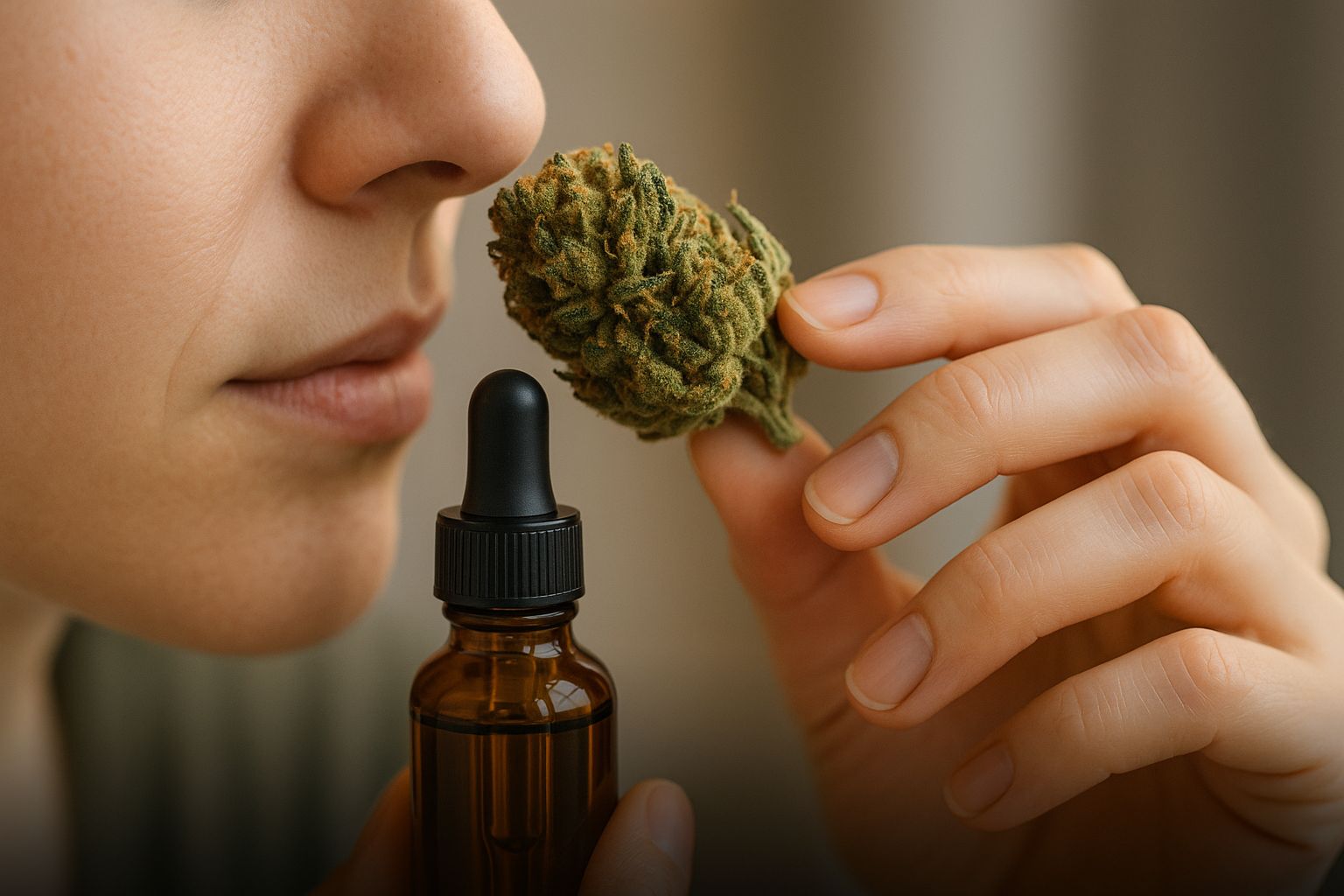
In CBD hash, the cannabinoid profile depends on the raw material and manufacturing process. Its texture, colour or aroma cannot identify the presence of THCV.
Flowers should not be described as THCV-enriched without an analysis supporting that claim. Genetic selection may promote specific profiles, but the content must be verified in each batch.
How to Assess the Quality of a Product Containing THCV
To assess a product that claims to contain THCV, it is advisable to review its certificate of analysis or COA and check:
- The product name and code.
- The batch number.
- The analysis date.
- The responsible laboratory.
- The analytical method used.
- The separate quantification of THCV and THCVA.
- The units used.
- The detection and quantification limits.
- The THC and other cannabinoid profile.
- Contaminant analyses, where applicable.
It is also important to check hemp traceability, the type of extract, the clarity of the labelling and the correspondence between the certificate and the purchased product.
For CBD flowers, quality does not depend solely on the percentage of one cannabinoid. Preservation, traceability, batch homogeneity and available documentation must also be assessed.
THCV Regulation and Legality
The legal status of THCV cannot be summarised by stating that it is always legal when THC remains below 0.3%.
In the European Union, the 0.3% THC threshold relates mainly to certain cultivation conditions and the eligibility of hemp varieties under the Common Agricultural Policy. It does not constitute automatic authorisation to market any flower, extract, oil or finished product.
Legality may depend on:
- The country in which the product is marketed.
- The origin of the cannabinoid.
- The part of the plant used.
- The concentration and complete product profile.
- Its classification as a food, cosmetic, raw material or another category.
- The intended use and commercial claims.
- Rules concerning controlled substances, novel foods and product safety.
In the United States, federal law distinguishes hemp according to its delta-9-THC concentration by dry weight. However, individual states may impose additional requirements or specific restrictions on cannabinoids and derived products.
Furthermore, the fact that a raw material comes from hemp does not by itself guarantee that the final product is legal in every territory.
Before purchasing or marketing a product containing THCV, the regulations currently applicable in the relevant jurisdiction must be checked.
Frequently Asked Questions About THCV
What Is THCV?
THCV, or tetrahydrocannabivarin, is a phytocannabinoid naturally present in certain varieties of Cannabis sativa. It is characterised by a three-carbon side chain.
Are THCV and THC the Same?
No. They are different cannabinoids. Although they have related structures, the length of their side chains and their molecular interaction profiles differ.
What Does It Mean for a Cannabinoid to Be a “Varin”?
It means that it belongs to a group of cannabinoids with a three-carbon side chain. Other examples in this family include CBDV, CBGV and CBCV.
Are THCV and THCVA the Same Compound?
No. THCVA is the acidic form found mainly in fresh plant material. THCV may form when THCVA undergoes decarboxylation.
Where Can THCV Be Found?
It may appear in certain cannabis varieties and in some specific extracts or formulations. Its presence and concentration must be confirmed through laboratory analysis.
Do All Full-Spectrum Products Contain THCV?
Not necessarily. A full-spectrum product may retain several components from the original extract, but this does not guarantee that THCV is present in a detectable or quantifiable amount.
How Can You Check Whether a Product Contains THCV?
A certificate of analysis that expressly includes THCV and, where relevant, THCVA must be consulted. If the laboratory does not analyse these compounds, their presence cannot be confirmed.
Is THCV Legal?
Its legal status depends on the country, origin, composition, commercial category and intended use of the product. A low delta-9-THC content does not by itself guarantee that any product containing THCV can be legally marketed.
Final Thoughts on THCV
THCV is a minor cannabinoid whose structure differs from THC in the length of its side chain. In the plant, it is formed mainly from THCVA, and its concentration largely depends on the genetics and chemical profile of each batch.
Its interaction with CB1, CB2 and other molecular targets remains under investigation. The available evidence does not support attributing medical, therapeutic or wellness benefits to it or presenting its possible effects as established facts.
Caution is also necessary when assessing products that claim to contain THCV. Commercial names, the name of a variety and sensory characteristics cannot confirm its presence. The main reference should always be a complete, recent certificate of analysis linked to the batch.
Stay Up to Date with THCV Research
Research into minor cannabinoids continues to evolve. For reliable information, it is advisable to consult scientific publications, technical documentation, laboratory certificates and current regulatory sources.
Subscribing to the Iberohemp newsletter provides access to updates on cannabinoid profiles, raw material analyses and informative content related to hemp.
Explore Products and Cannabinoid Profiles
When reviewing flowers, oils, extracts or other raw materials, it is important to compare their composition, traceability and documentation rather than basing the choice solely on the declared presence of THCV.
The Iberohemp catalogue makes it possible to consult different formats and review the information available for each product. The specific presence of THCV must always be confirmed through the corresponding analytical documentation.


Leave a comment
This site is protected by hCaptcha and the hCaptcha Privacy Policy and Terms of Service apply.