

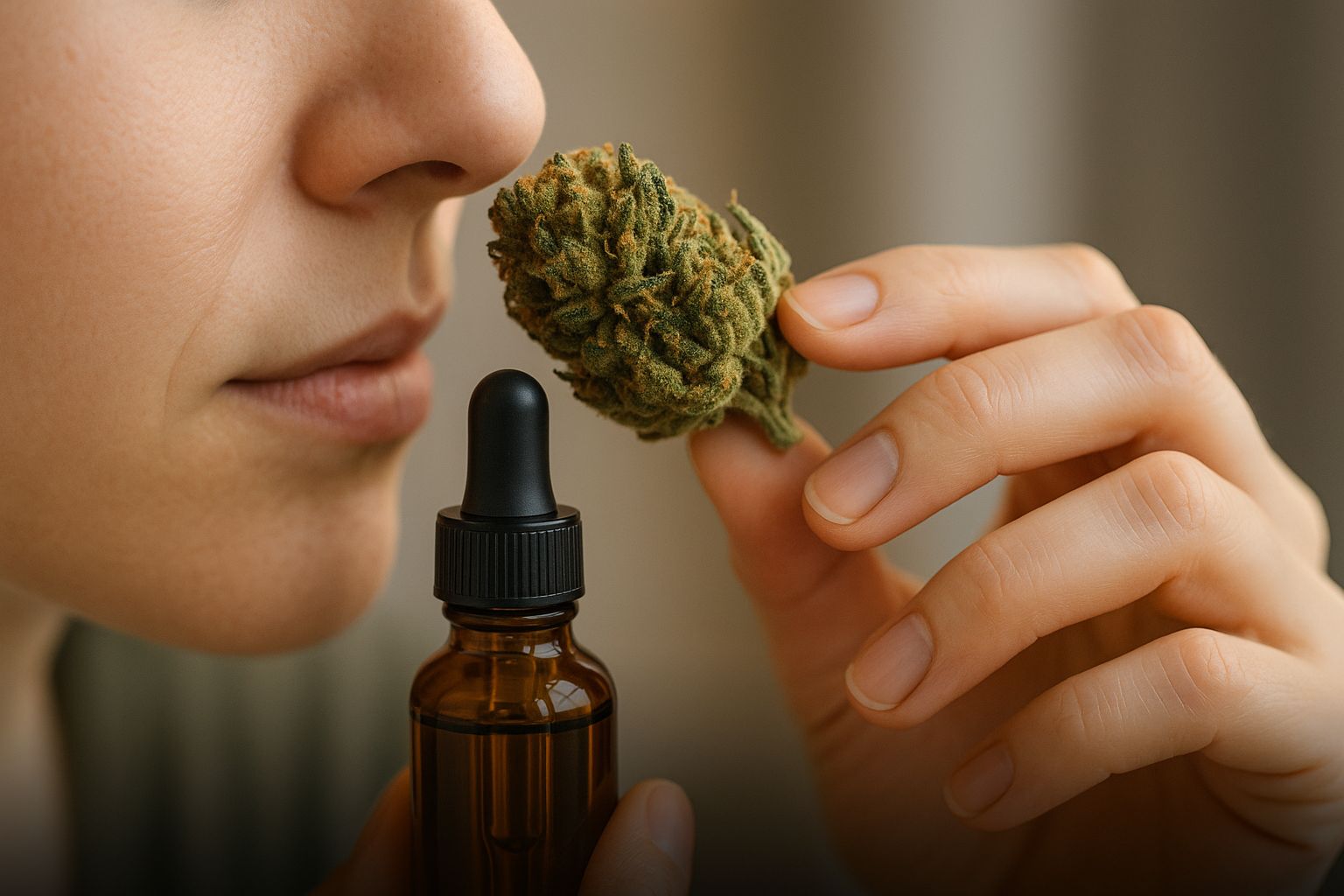
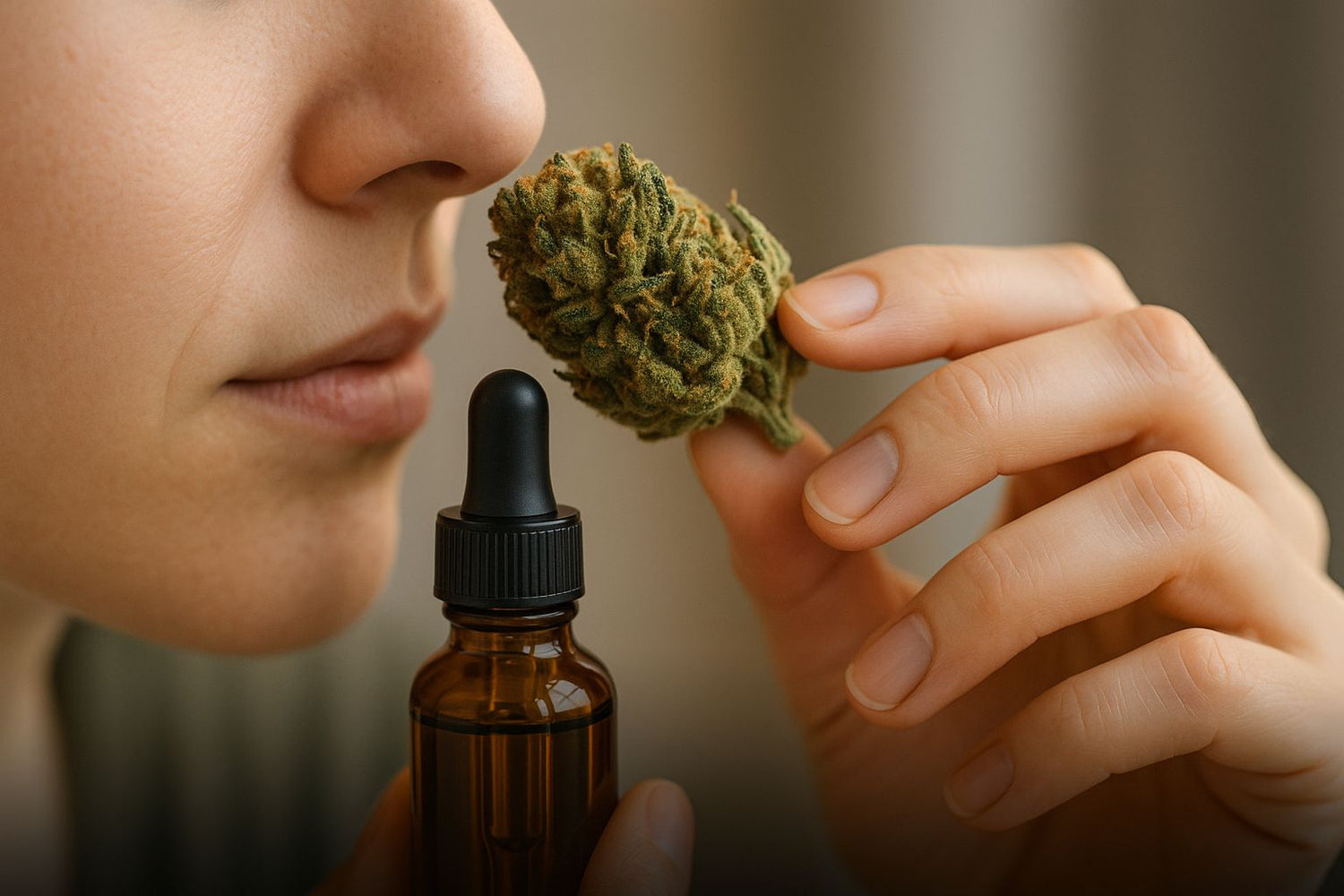
Exploring the aroma of CBD products helps to better understand their characteristics and distinguish between different sensory profiles. The smell of CBD flowers, oils and hash can be influenced by numerous factors, from plant genetics and growing conditions to processing, extraction and storage.
In this article, we review the main elements involved in the aromatic profile of hemp. We also explain how to identify different olfactory notes and which aspects should be considered when carrying out a more complete assessment of a product.
Aroma can provide useful information, but it should be interpreted as a complementary criterion. On its own, it cannot confirm the purity, composition or overall quality of a product.
Why is aroma important when analysing CBD products?
Olfactory perception is one of the first tools available for observing the characteristics of a hemp-derived product. A recognisable aroma may provide clues about its profile of volatile compounds, its state of preservation and the treatment it has received during cultivation, processing and packaging.
However, an intense fragrance does not in itself guarantee higher quality. The assessment should be completed with other elements, such as the origin of the raw material, labelling information, batch traceability and the corresponding laboratory analyses.
Each format may present different nuances. Flowers directly preserve a large part of the plant’s aromatic profile, while oils and extracts may show variations related to the production method and the ingredients included in the formulation.
To explore the different categories available, you can visit the Iberohemp catalogue.
The chemistry behind terpenes
Terpenes are volatile organic compounds found in many plants, including hemp. They contribute significantly to aroma and form different profiles depending on the variety, cultivation, harvest time and subsequent handling.
Each genetic variety may have a particular combination of terpenes. Myrcene is commonly associated with earthy, herbal or fruity notes; limonene with citrus nuances; and pinene with aromas reminiscent of pine, wood or resin.
These descriptions are for guidance only. The final aroma does not depend on a single terpene, but on the concentration and combination of numerous volatile compounds. For this reason, two varieties sharing some terpenes may still display different sensory profiles.
The study of these compounds helps describe the aromatic composition of the product, although it cannot by itself reconstruct all cultivation or processing conditions. Terpene profiles are usually analysed using instrumental techniques such as gas chromatography.
How origin and cultivation influence aroma
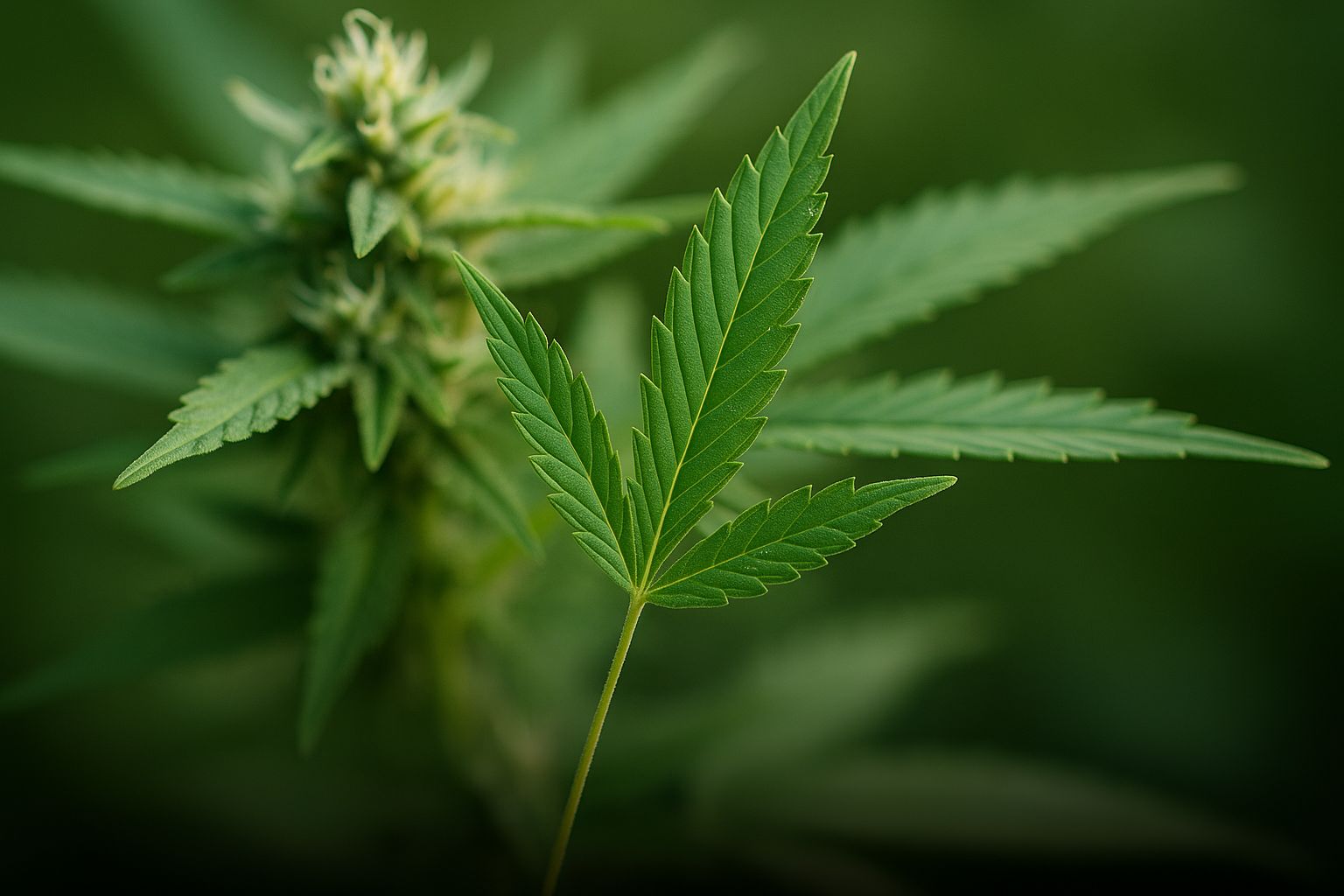
Plant genetics is one of the factors that most strongly influences the aromatic profile. It is accompanied by environmental and agronomic conditions such as temperature, humidity, light exposure, crop nutrition, plant condition and harvest time.
Soil and irrigation management may also influence the plant’s overall development, although there is no automatic relationship between mineral-rich soil and a more complex aroma. The result depends on the interaction of multiple variables.
Extreme conditions, inadequate drying or poor storage may encourage the loss or alteration of certain volatile compounds. For this reason, knowing the origin, cultivation method and post-harvest treatment helps to better contextualise the olfactory characteristics of flowers, oils and extracts.
Main CBD aromatic profiles and their origin
Identifying an aromatic profile helps compare products according to personal preferences. Although certain olfactory families recur in different hemp varieties, each genetic variety and each batch may have its own characteristics.
It should be clarified that the 0.3% THC limit used in European agricultural regulations refers to hemp varieties permitted under the Common Agricultural Policy. This percentage does not by itself determine the legality, permitted use or marketing of all finished products, which also depend on their category and the applicable regulations.
Below, we describe two broad aroma families that help users become familiar with the sensory diversity of hemp products.
Floral and fruity aromas
CBD flowers may present notes reminiscent of roses, jasmine, berries, ripe fruit or citrus. These nuances depend on genetics, terpene profile, harvest time and drying and storage conditions.
Varieties with a notable presence of limonene may display citrus notes. Linalool is commonly associated with floral aromas, while other terpene combinations may evoke fresh fruit, red berries or sweet nuances.
Comparing different options of premium CBD flowers makes it possible to observe these variations and recognise differences between genetic varieties and batches.
Earthy and woody notes
Deep and robust profiles often include earthy, woody, spicy or resinous notes. Terpenes such as caryophyllene, humulene, myrcene or pinene may be involved, although the result always depends on the full set of compounds present.
Some products may evoke cedarwood, bark, damp earth, spices or plant resin. These descriptions do not represent fixed categories, but sensory references that help explain aroma in an understandable way.
CBD extracts and hash products may also present denser or more concentrated notes due to the raw material used and the production process.
Methods for assessing aroma in oils and extracts
Carrying out an olfactory assessment makes it possible to compare products, observe differences between batches and describe their sensory characteristics. However, this assessment does not replace technical controls or certificates of analysis.
Aroma may provide clues about freshness and preservation, but it cannot conclusively reveal cannabinoid concentration, the presence of contaminants or the authenticity of all ingredients.
For a more consistent comparison, it is advisable to use a simple procedure and repeat it under similar conditions.
Olfactory assessment: steps and recommendations
Before beginning, it is advisable to check that the container is clean and that there are no external odours that may interfere with perception.
For liquid products, the closed container may be held between the hands for a few moments so that it reaches a stable room temperature, without heating it directly. It can then be opened briefly and the aroma perceived from a reasonable distance.
The assessment can be divided into three stages:
- First impression: helps identify the most obvious notes.
- Careful observation: helps identify secondary nuances.
- Final review: helps determine which notes remain after the container has been closed.
Recording impressions in a notebook makes it easier to compare products and batches. Simple categories may be used, such as citrus, floral, vegetal, earthy, woody, resinous, sweet or spicy.
It is important to avoid strong or repeated inhalations directly over the container. A gentle and brief exposure is sufficient for an olfactory description.
Suitable tools and conditions for the test
The assessment should be carried out in an environment free from strong odours such as perfumes, air fresheners, cleaning products, food or smoke. It is also advisable not to assess several products consecutively without breaks, as the sense of smell may become saturated.
Containers and utensils should be clean and free from their own odours. Amber bottles help reduce direct exposure to light, while glass pipettes may be suitable for handling liquid products without introducing aromas from other materials.
A stable room temperature of around 20°C may make comparison more consistent. However, perception also depends on each person’s olfactory sensitivity, the environment and how long the product remains open.
These conditions do not turn the assessment into a professional laboratory analysis, but they do help produce a more orderly and reproducible observation.
Factors that affect olfactory perception in CBD products
Aroma may vary due to storage, processing, formulation and the passage of time. Understanding these variables helps interpret changes without automatically attributing them to a manufacturing defect.
From harvest to packaging, each stage may alter the profile of volatile compounds. The final result may also be affected by the type of container, exposure to air, temperature and light.
Influence of freshness and storage
Over time, some terpenes may oxidise or evaporate. This process may reduce the intensity of the most volatile notes and alter the original aromatic balance.
To limit these changes, products should be stored according to the manufacturer’s instructions, in properly sealed containers protected from light, moisture and significant temperature fluctuations.
Flowers and extracts should not remain open longer than necessary. In oils, it is also important to prevent the pipette from coming into contact with surfaces that could contaminate the contents.
Checking the packaging date, batch number and storage instructions helps to better contextualise the condition of the product. A recent batch may retain a profile closer to the original, although aromatic intensity will also depend on genetics and the production process.
Impact of the extraction process
The extraction method may influence the composition and aroma of an extract. Techniques used include supercritical CO₂ extraction, ethanol extraction and other procedures based on solvents or mechanical methods.
It cannot be stated in general terms that one method will always preserve all terpenes better. The result depends on factors such as temperature, pressure, time, solvent and the subsequent purification stages.
In supercritical CO₂ extraction, variations in pressure and temperature may alter the proportion of recovered monoterpenes, sesquiterpenes and cannabinoids. Likewise, ethanol-based processes may produce different results depending on the conditions used and subsequent refining.
Therefore, knowing the method used provides relevant information, but it should be considered alongside the certificate of analysis, ingredient list, traceability and specific characteristics of each batch.
The role of CBD aroma in purchasing decisions
Aroma may be one of the criteria used to compare flowers, oils and extracts, together with composition, format, origin and the available technical information.
A clear aromatic description helps anticipate the type of notes that may be present in the product. However, terms such as “citrus”, “floral” or “woody” include a subjective component and may be interpreted differently by each person.
For this reason, aroma should not be presented as a guarantee of quality or sufficient proof of authenticity. It should be considered a descriptive characteristic within a broader assessment.
Sensory marketing: beyond labelling
Some brands use olfactory descriptors to better explain the particular features of each variety or formulation. They may also include information about the predominant terpenes or the raw material used.
This approach may make comparison easier, provided that the descriptions are clear, proportionate and consistent with the actual composition of the product.
Information about terpenes should not be used to attribute medical, therapeutic or wellbeing benefits. In this context, its function is exclusively descriptive and sensory.
Iberohemp provides information about the origin and characteristics of different batches to help users understand the particular features of each product.
Key points for identifying products by aroma
Before comparing different oils, it is advisable to review the formulation, as the carrier base may influence the smell. An MCT-based oil, for example, may present a different profile from other carrier oils.
Added aromatic ingredients, incorporated terpenes and the type of extract should also be considered. Full-spectrum, broad-spectrum and isolate formulations may display different olfactory characteristics, although the name alone does not accurately predict the final aroma.
It may be useful to record the dominant notes of each product:
- Citrus
- Floral
- Vegetal
- Earthy
- Woody
- Resinous
- Sweet
- Spicy
Exploring the CBD oil catalogue allows users to compare formats, compositions and aromatic descriptions before deciding which option best suits their personal preferences.
Frequently asked questions about aroma in CBD products
Below, we answer some common questions about the sensory assessment of flowers, oils and extracts.
These explanations provide a framework for interpreting differences in smell between formats, varieties and batches without confusing aromatic profile with conclusive proof of quality or composition.
Does smell indicate purity or quality?
Not necessarily. A defined and balanced aroma may be compatible with well-preserved raw material and a carefully managed production process, but it does not guarantee purity or overall product quality.
Quality should also be checked through:
- The batch certificate of analysis.
- The declared cannabinoid concentration.
- Contaminant testing.
- Raw material traceability.
- The ingredient list.
- Storage conditions.
- Labelling information.
An intense smell does not automatically mean a higher CBD concentration either. Cannabidiol is not the main compound responsible for aroma; this depends primarily on volatile compounds and the ingredients in the formulation.
Therefore, the olfactory profile should be understood as a complementary sensory indicator and not as proof of purity.
Can aroma vary between batches?
Yes. Aroma may vary between batches, even when they belong to the same variety.
Genetics provides a baseline, but climatic conditions, cultivation, harvest time, drying, storage and processing may generate sensory variations.
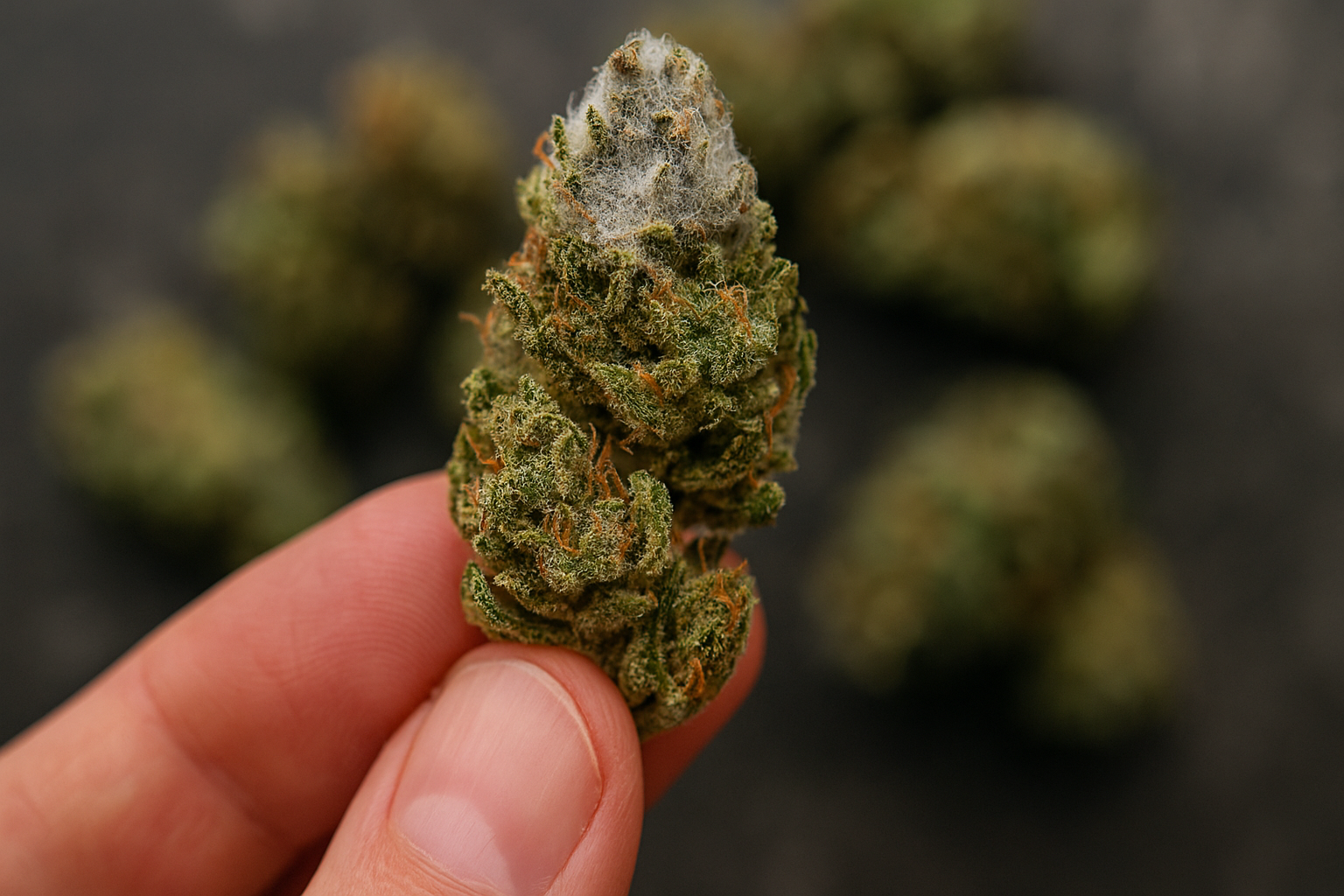
These differences do not necessarily indicate a defect. Some variability between harvests is normal in plant-based products. However, a very pronounced change accompanied by a smell of dampness, fermentation, rancidity or contamination may justify checking the condition of the product and its storage conditions.
Comparing the batch number, packaging date and certificate of analysis helps to interpret these variations more accurately.
How to assess the aroma of CBD products
Identifying and comparing aromatic profiles is an exercise that combines observation, technical information and personal preferences.
For a more complete assessment, it is advisable to consider:
- The genetics and origin of the raw material.
- The terpene profile.
- Cultivation and harvest conditions.
- Drying and post-harvest treatment.
- The extraction or production method.
- The formulation and ingredients.
- Packaging and storage.
- The certificate of analysis and traceability.
Aroma may help distinguish floral, citrus, earthy, woody, vegetal or spicy notes, but it should not be used on its own to determine the quality, purity or legality of a product.
For hemp cultivated in the European Union, the 0.3% THC threshold is linked to certain agricultural conditions applicable to authorised varieties. The marketing and use of finished products also depend on their composition, presentation, category and the corresponding national and European regulations.
Before making a selection, it is advisable to review the product description, ingredient list, batch information and available analytical documentation. In this way, the aromatic profile becomes part of a more objective and responsible assessment.


Leave a comment
This site is protected by hCaptcha and the hCaptcha Privacy Policy and Terms of Service apply.