

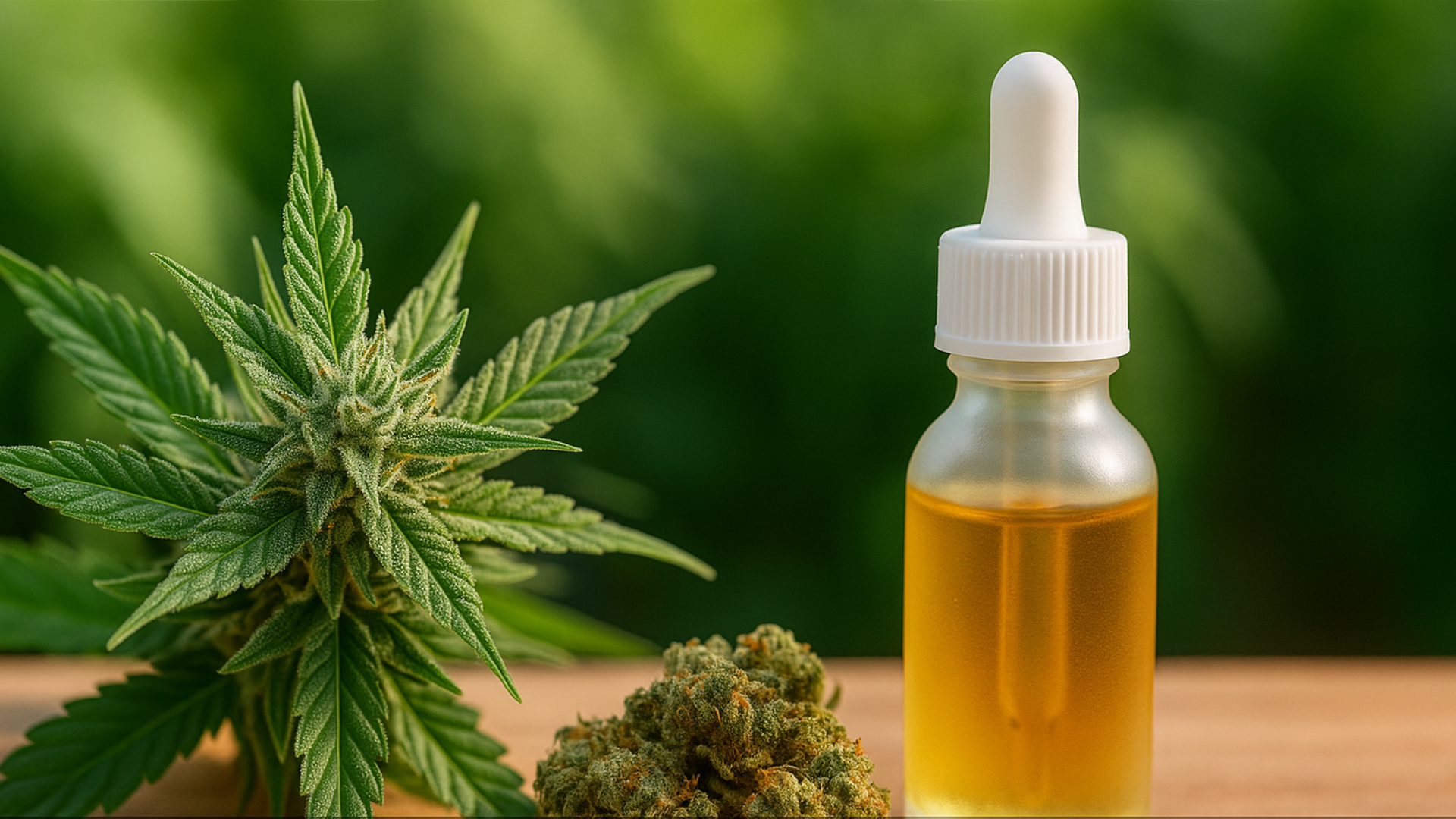
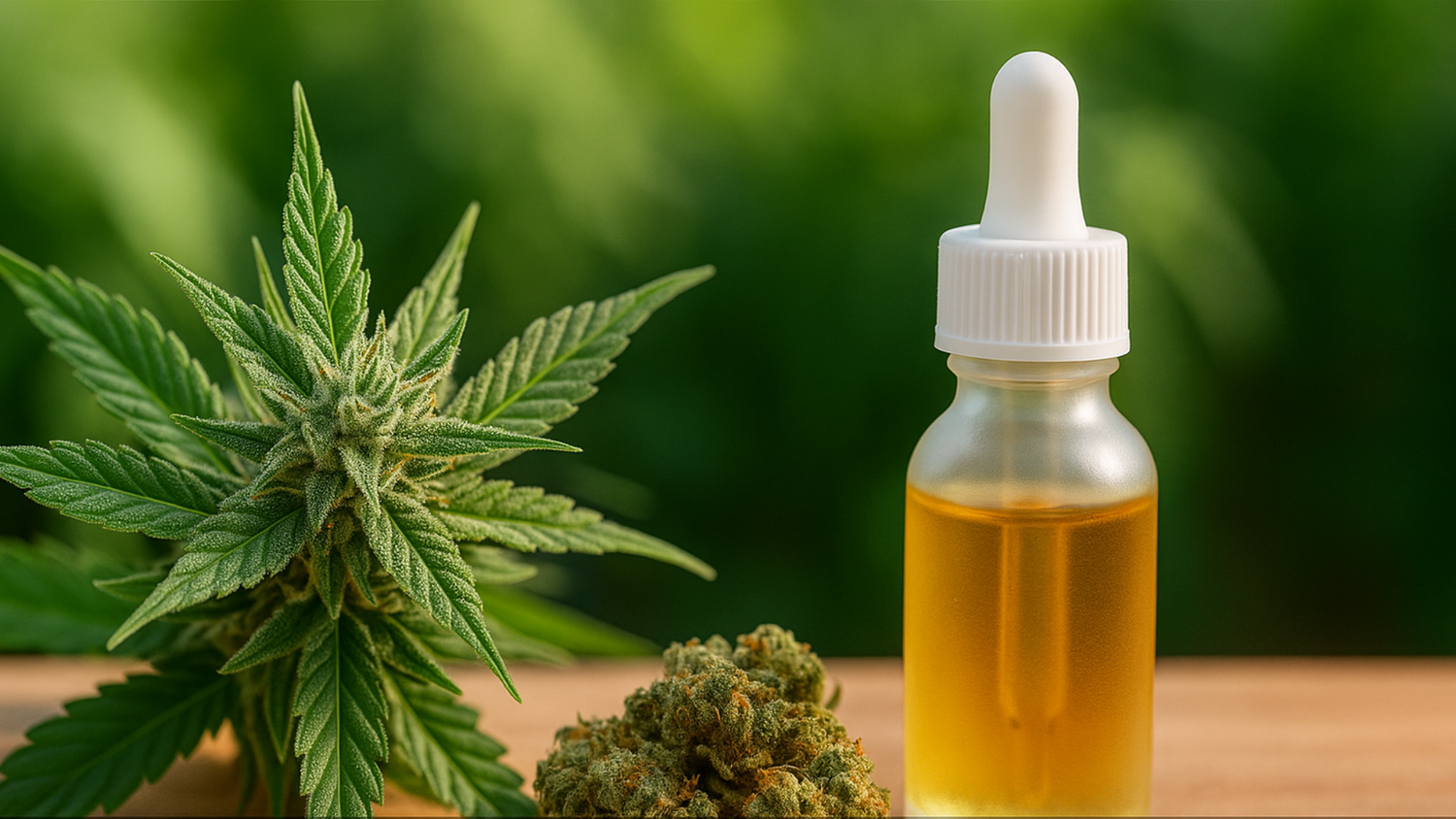
THCA is one of the most important compounds found in cannabis, although it often goes unnoticed compared with other better-known compounds. It is the original form of THC before activation, which explains why it does not produce psychoactive effects by itself. Its behaviour changes when exposed to heat, leading to a key transformation within the plant. Throughout this article, we will look at what makes it different, how it forms, what function it has and why it is relevant from both a scientific and practical perspective.
Understanding the THCA molecule: structure and chemical properties
To understand what THCA is, it is essential to analyse its molecular formula: C₂₂H₃₀O₄. This molecule contains a carboxyl group that differentiates it from THC and is responsible for its lack of psychoactive action. The structure of THCA includes a phenolic ring and a side chain that give it polarity and a higher molecular weight. From a chemical point of view, its stability is sensitive to heat and light, so maintaining controlled conditions helps prevent premature decarboxylation. Understanding these properties provides scientific credibility and reinforces authority on the subject.
How and where it forms in the cannabis plant
THCA originates in the trichomes of female hemp flowers, small structures where the plant’s most valuable compounds are concentrated. During flowering, these glands first produce cannabigerolic acid (CBGA), which is later transformed into THCA thanks to specific enzymes. It is a completely natural process that takes place in the parts of the plant exposed to light.
This compound accumulates mainly on the surface of the flowers, and its concentration may vary depending on genetics and how the plant has been cultivated. That is why understanding where it is found and how it forms is essential when identifying good-quality raw material.
Key differences between THCA and THC
Although they share a molecular root, the differences between THCA and THC are significant. THCA includes a carboxyl group that blocks binding to endocannabinoid receptors, which explains its absence of psychoactive effects. When that group is removed through heating, the compound becomes THC, which can interact with the nervous system.
In addition, their solubility and stability profiles vary: THCA is more sensitive to degradation caused by light and heat, while THC better tolerates environmental conditions. This fundamental distinction guides its industrial and commercial handling.
Decarboxylation: the essential step towards THC
The process of decarboxylation is the chemical reaction that transforms THCA into THC. Under the application of heat, the COOH group is released as carbon dioxide, generating the psychoactive molecule. This step, essential for activating the cannabinoid, occurs from approximately 105 °C with controlled time and pressure.
In laboratory and industrial settings, mastering this reaction ensures complete conversion without degrading other compounds. Understanding decarboxylation provides technical authority for those analysing extracts or developing new products.
Implications of cannabinoid activation
When the carboxylic acid is removed, the physicochemical properties change. THC becomes lipophilic, facilitating its absorption in fatty matrices, while THCA retains a certain moderate hydrophobicity. At a molecular level, the decarboxylated form has greater affinity for CB1 and CB2 receptors, which alters its behaviour in formulations.
Knowing these implications is essential when designing extraction methods or purity analysis, as it affects solubility, stability and the chromatographic spectrum during product validation.
THCA extraction and analysis: methods and quality
Understanding THCA also means knowing how it is obtained and analysed to guarantee its quality. Through advanced extraction techniques, such as supercritical CO₂ or cold ethanol, it is possible to isolate this compound while preserving its properties. Afterwards, precise analytical methods are applied to verify its purity and ensure a reliable and consistent cannabinoid profile.
Main extraction techniques in the industry
The supercritical CO₂ technique stands out for its selectivity and eco-efficiency, maintaining low temperature and optimal pressure to preserve THCA before decarboxylation. The cold ethanol method offers higher yield, although it requires additional filtration and degumming steps.
By contrast, hydrocarbon solvent extraction systems require rigorous purging processes to remove residues. Each technique adapts to the scale and objective: from laboratory testing to the production of pure concentrates for analysis and new product development.
Quality parameters: purity and certifications
Purity verification is key to determining the authenticity of THCA. A certificate of analysis (CoA) confirms concentrations and detects traces of contaminants. In addition, ensuring the absence of heavy metals, pesticides and residual solvents requires compliance with ISO and GMP standards.
For consumers, identifying quality seals and accredited laboratories provides confidence. At Iberohemp, each batch of CBD hash and Premium CBD flowers includes detailed documentation supporting its origin and processes, ensuring consistent and certified products.
Legal framework of THCA: regulation and current status
In the European Union, cannabinolic acid is not included as a controlled substance, provided that THC remains below 0.3%. However, regulations require clear labelling and documentary traceability. Authorities responsible for hemp product control inspect cannabinoid limits and verify the absence of prohibited compounds.
Staying up to date with regulations ensures that marketed THCA meets requirements, avoiding penalties and promoting transparency for consumers and distributors.
Legislation by region: key differences
In Europe, THCA is not listed in schedules of illicit substances, provided that THC does not exceed the established limit (0.3%). In the United States, each state sets its own thresholds and licensing requirements. For example, some states accept up to 0.3% THC by dry weight, while others require stricter certification testing.
In Switzerland or Canada, regulation focuses on cultivation and sales licences.
THCA on the market: available products and formats
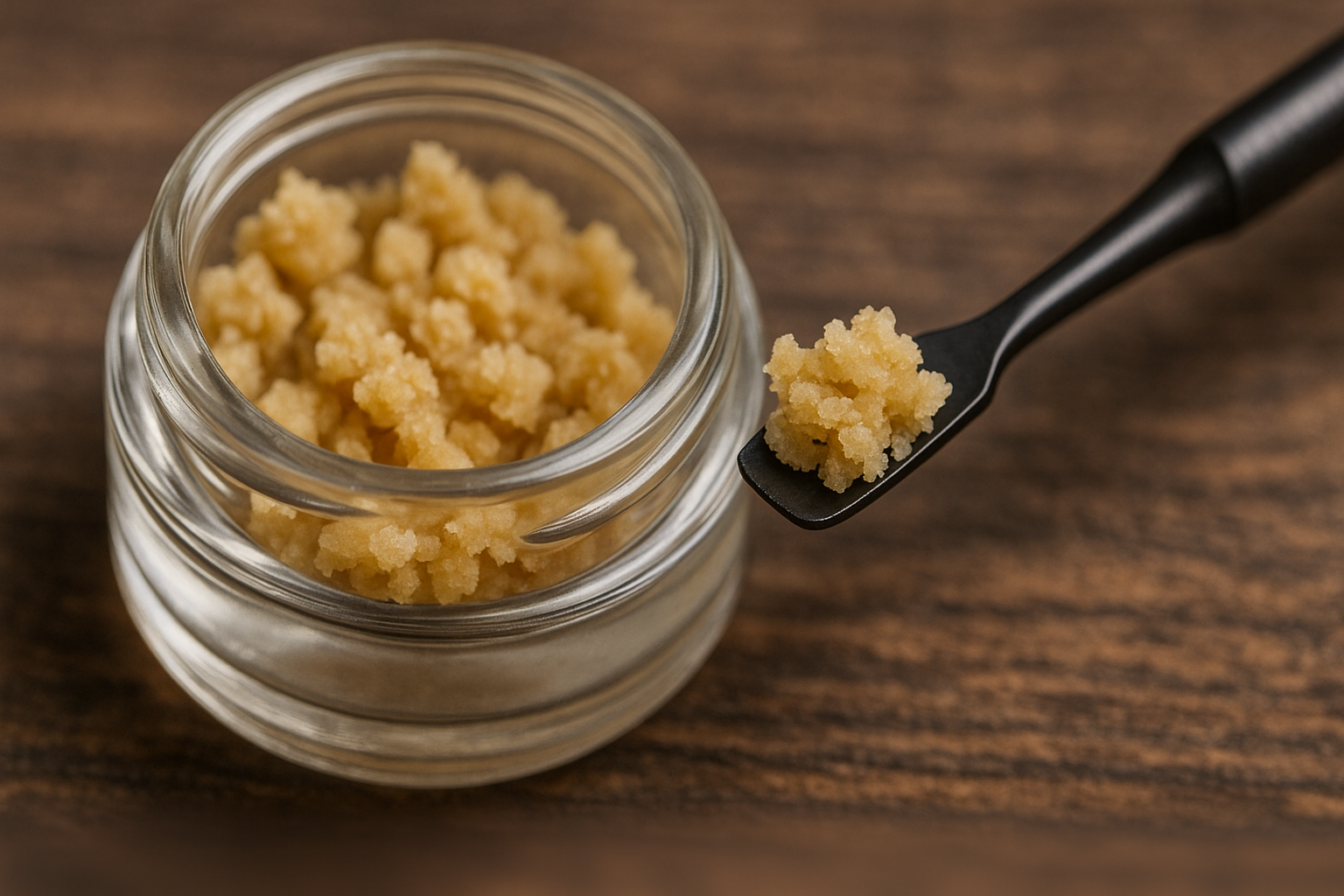
THCA can be found in different formats on the market, each designed for specific uses at both technical and practical levels. One of the most common is raw resin, which has a viscous texture and contains not only THCA, but also waxes, lipids and terpenes naturally present in the plant. This format is interesting as raw material, as it allows subsequent refining or extraction processes.
Another common format is fresh or non-decarboxylated flower, where THCA is naturally preserved in the trichomes. This format is especially useful for analysis, as it maintains the original cannabinoid and terpene profile, facilitating laboratory studies or quality assessments.
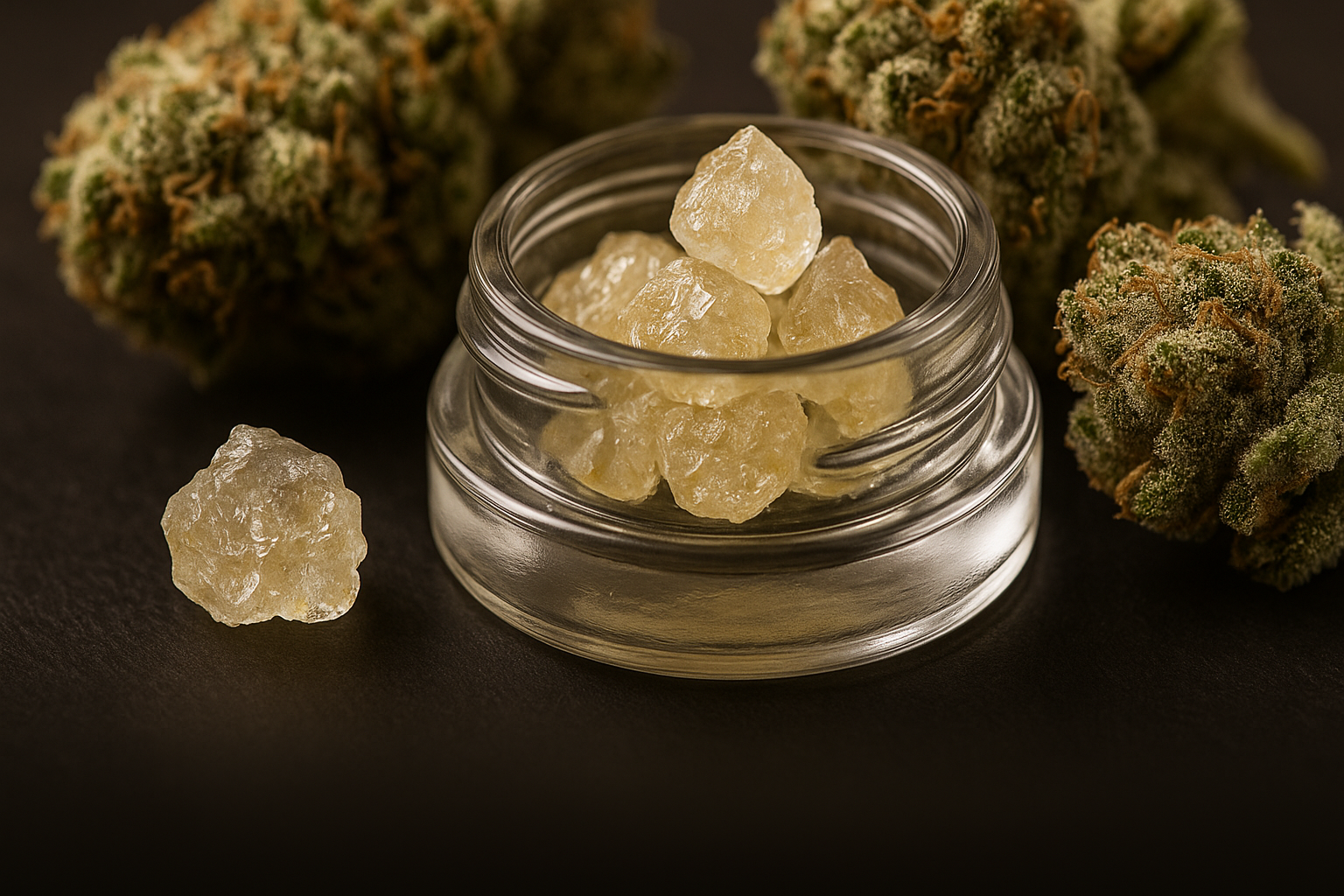
There are also purified concentrates, such as crystals or isolates, obtained through more advanced extraction, purging and refining processes. These products can reach very high levels of purity, in many cases above 90% THCA, making them suitable for more precise applications, such as formulations or research.
Overall, each format responds to different needs: from studying and characterising the compound to its use in more technical developments within the cannabinoid field.


Leave a comment
This site is protected by hCaptcha and the hCaptcha Privacy Policy and Terms of Service apply.