

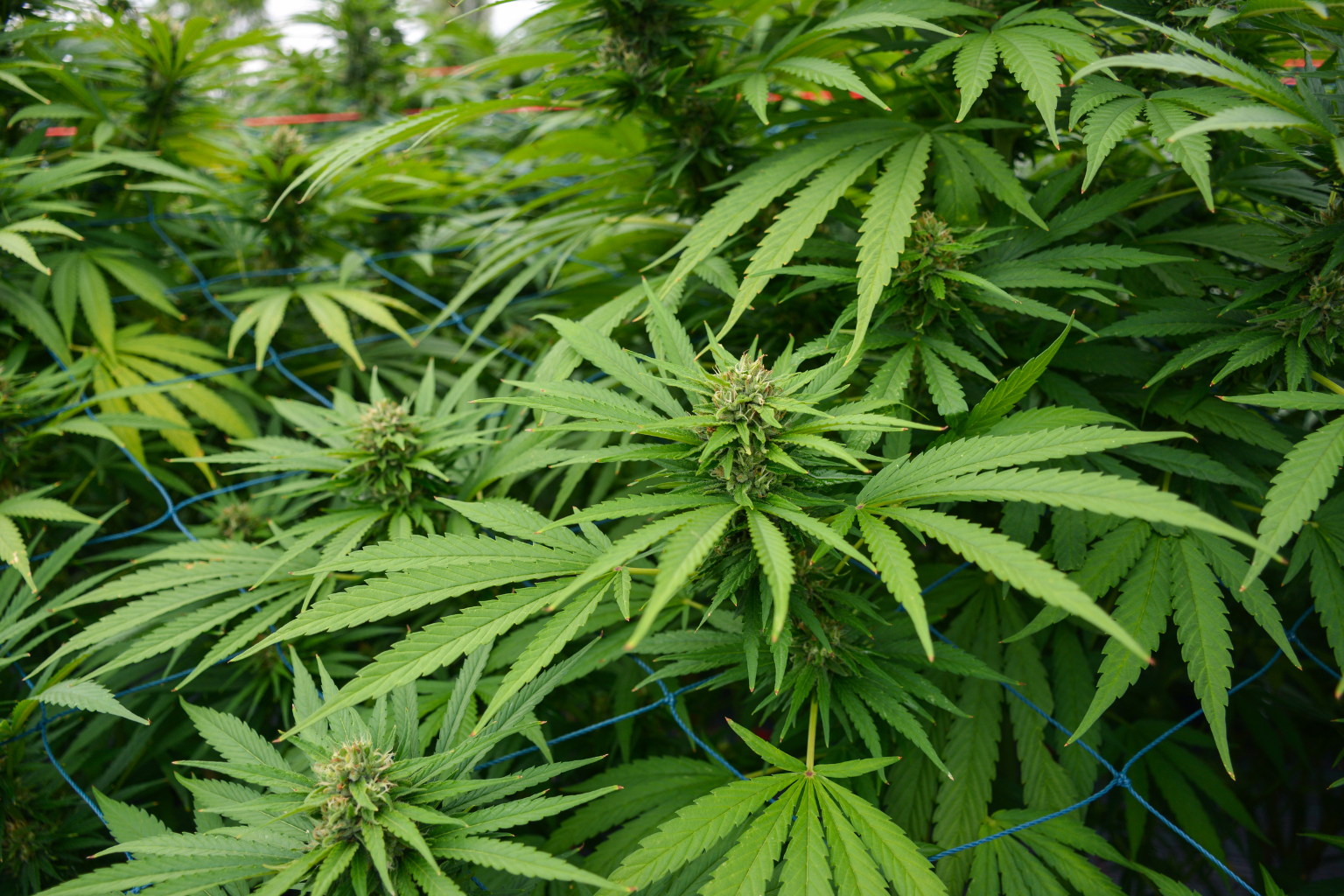
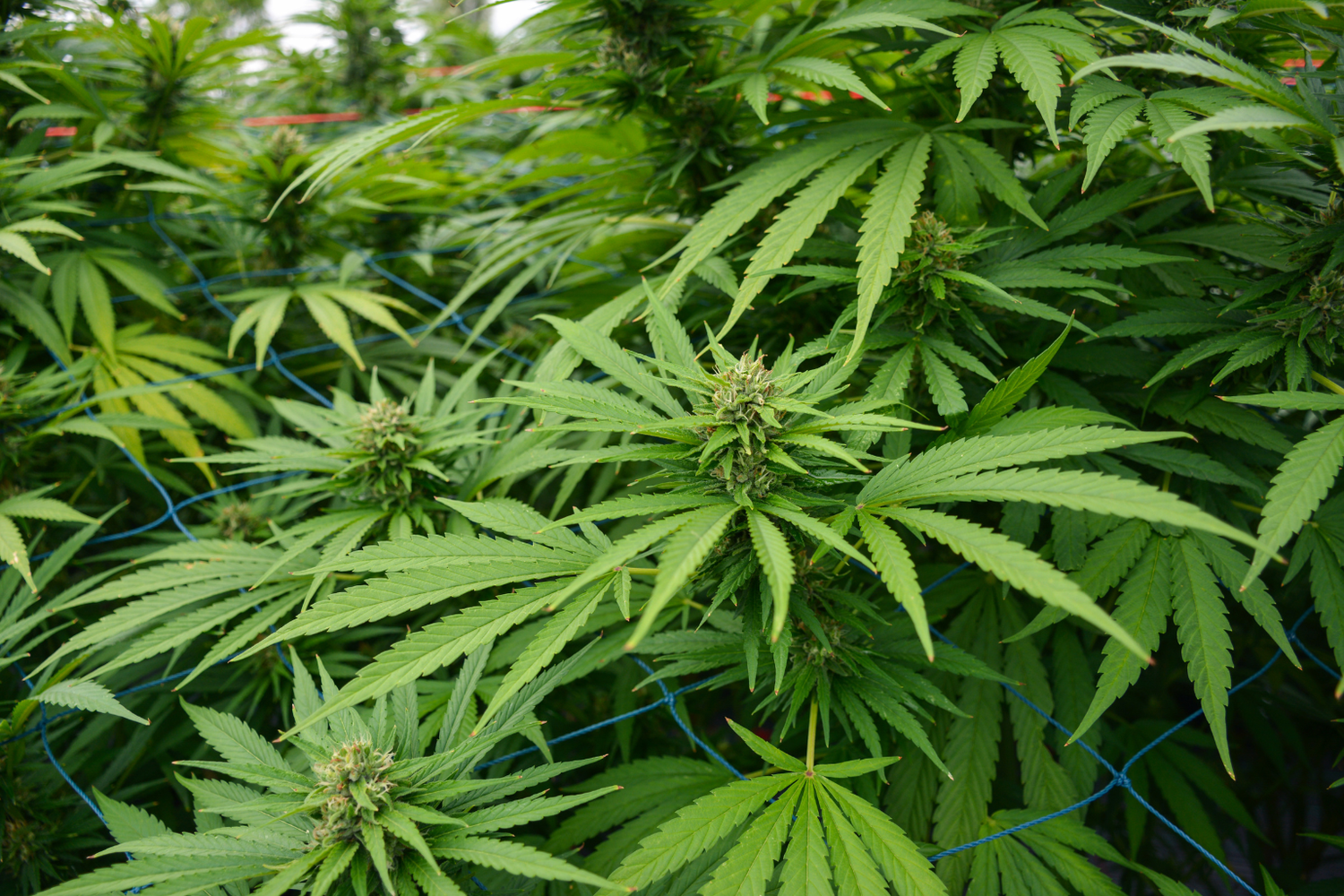
To gain a deeper understanding of the hemp world, it is useful to know what flavonoids are and why they form part of the natural profile of many plants. These compounds belong to the polyphenol family and are found in a wide variety of plant species, including cannabis.
In this article, we explore their nature, the most relevant groups identified in cannabis, and their relationship with characteristics such as the colour, aroma and sensory profile of the plant. We will also look at the aspects that can help evaluate CBD flowers, hash and oils from an informative, responsible and quality-focused perspective.
What Are Flavonoids?
Flavonoids are plant-derived molecules that belong to the polyphenol family. They are present in fruits, vegetables, flowers, leaves and many other parts of plants.
From a botanical perspective, they may participate in functions related to pigmentation, plant protection against environmental factors and interactions with their surroundings. In cannabis, these compounds are part of the natural group of molecules that also includes terpenes and cannabinoids.
From a descriptive point of view, flavonoids may influence nuances of colour, flavour and aroma, contributing to the sensory identity of each variety. Understanding their presence helps to better appreciate the natural composition of flowers and other hemp-derived products.
Main Groups of Flavonoids Found in Cannabis
Cannabis contains different types of flavonoids, each with a specific chemical structure. Their classification helps us better understand how the plant’s phytochemical profile is organised and the role these compounds may play within it.
Below, we review some of the most relevant groups from an informational and analytical perspective.
Flavonols and Flavones
Flavonols and flavones are two groups of flavonoids present in many plant species. Among the best-known flavonols is quercetin, while luteolin is one of the most recognised flavones.
In cannabis, these compounds may appear in small concentrations and form part of the plant’s overall profile. Their presence is studied alongside other elements such as terpenes, cannabinoids and additional polyphenols.
From a sensory perspective, they may contribute subtle nuances related to colour and the organoleptic profile, although cannabis aroma is generally more directly associated with terpene content.
Cannaflavins and Other Characteristic Flavonoids
Cannaflavins are particularly interesting flavonoids within cannabis research due to their unique chemical structure. Researchers have identified cannaflavins A, B and C, which have been analysed in studies focused on the composition of Cannabis sativa.
Although they are usually present in low concentrations, their study contributes to a broader understanding of the plant’s chemical complexity. In quality control and research settings, these compounds can provide additional information about the composition and authenticity of specific samples.
Functions of Flavonoids in the Cannabis Plant
Flavonoids perform different functions within plants. In cannabis, they are part of the group of compounds involved in processes related to pigmentation, environmental protection and plant adaptation.
Their presence should not be interpreted as an isolated indicator of quality, but rather as one component of the plant’s natural profile. When evaluating a flower or hemp-derived product, it is advisable to consider the overall picture: genetics, cultivation, drying, preservation, analysis and traceability.
Colour Contribution: Pigmentation of Flowers and Leaves
The colour diversity of flowers and leaves may be influenced by different plant pigments, including certain flavonoids. These compounds can contribute to shades ranging from yellow tones to reddish or purple hues, depending on genetics and cultivation conditions.
In hemp varieties, final colour may also be influenced by other pigments such as chlorophylls and anthocyanins. Therefore, visual appearance should be considered as a general indicator rather than definitive proof of composition.
Influence on the Sensory Profile
Although the aroma of cannabis depends primarily on terpenes, flavonoids can be part of the collection of compounds that contribute to the plant’s sensory profile.
Their presence may be associated with subtle herbal, vegetal, mildly bitter or spicy nuances within the overall organoleptic evaluation. In CBD flowers, CBD hash and CBD oils, these details may help distinguish different profiles, especially when combined with proper preservation and clear traceability.
Relationship Between Flavonoids and Other Phytocompounds
Flavonoids do not occur in isolation within the plant. They are part of a natural composition that also includes terpenes, cannabinoids, waxes, pigments and other plant compounds.
Discussing this relationship helps to better understand the complexity of cannabis from a botanical and analytical perspective, without attributing unverified effects or benefits.
Relationship with Terpenes in the Organoleptic Profile
Terpenes are the main compounds responsible for the characteristic aroma of cannabis. Depending on the variety and profile, they may contribute citrus, floral, earthy, fruity, herbal or spicy notes.
Flavonoids, in turn, may complement this sensory perception with more subtle nuances. For this reason, when evaluating a flower or extract from an organoleptic perspective, it is advisable to consider the complete plant profile rather than focusing on a single compound.
Relationship with Cannabinoids in the Plant Profile
Cannabinoids are usually the most recognised compounds in cannabis, but they are not the only relevant components. Flavonoids form part of the plant’s complete profile and can be analysed alongside other compounds to provide a broader understanding of each sample.
In products such as CBD oils, available information typically focuses on the content of CBD, THC and other cannabinoids, although some specialised analyses may also include information on additional plant compounds.
Factors That Determine Flavonoid Content
The concentration of flavonoids in cannabis may vary according to several factors. Among the most important are genetics, cultivation conditions, harvest timing, drying and storage.
These variables influence the plant’s final composition and may affect its colour, aroma and sensory stability.
Variety and Genetics as the Basis of the Flavonoid Profile
Each cannabis variety has a specific genetic background. This genetic makeup can influence the proportion of pigments, terpenes, cannabinoids and flavonoids produced throughout the plant’s life cycle.
Some varieties may display more intense colours or stronger aromatic profiles, but these traits do not depend on a single compound. Therefore, when evaluating a CBD variety, it is advisable to consider the overall characteristics: origin, cultivation, analysis, preservation and presentation.
Cultivation, Harvesting and Storage Techniques
Factors such as light, temperature, humidity and crop management may influence the plant composition of cannabis. Post-harvest stages such as drying, curing and storage are also important.
Proper preservation can help maintain the colour, aroma and texture of flowers, hash and oils. In the case of industrial hemp, it is also important to review traceability and available documentation, especially when compliance with THC limits is mentioned according to the applicable legal framework.
Guide to Evaluating Products Based on Their Sensory Profile
When evaluating premium CBD flowers, CBD hash or CBD oils from a sensory perspective, it is advisable to pay attention to several aspects: colour, aroma, texture, origin, analysis and preservation.
Within the CBD Flowers collection, it may be useful to observe the flower’s appearance, aromatic profile and the information available about each variety.
For CBD Hash, texture, colour and presentation can provide clues about the raw material and production process.
For CBD Oils, the most important aspects are the declared composition, labelling and, when available, analytical information.
In all cases, the most reliable evaluation combines sensory criteria with objective information regarding quality, traceability and transparency.
Future Trends and Perspectives in Flavonoid Research
Interest in cannabis flavonoids has increased alongside advances in analytical techniques such as chromatography and other chemical characterisation methods. These tools make it possible to study compounds present in very small concentrations in greater detail.
In the medium term, the industry may incorporate more precise information regarding polyphenols, pigments and other secondary plant compounds. This could help improve traceability, sample authenticity and the technical description of certain hemp-derived products.
In Summary: What Role Do Flavonoids Play in Cannabis?
Flavonoids are polyphenolic compounds present in many plants, including cannabis. Within the plant, they may participate in processes related to pigmentation, plant adaptation and the sensory profile.
Although they should not be analysed in isolation, they form part of the group of compounds that help define the natural identity of each variety. Understanding their main groups, functions and the factors that influence their presence makes it possible to better evaluate CBD flowers, hash and oils from an informative and responsible perspective.
When exploring products based on quality criteria, it is advisable to review the sensory profile, traceability, labelling and available analytical data. You can also visit Iberohemp to learn more about the available categories and product characteristics.


Leave a comment
This site is protected by hCaptcha and the hCaptcha Privacy Policy and Terms of Service apply.