

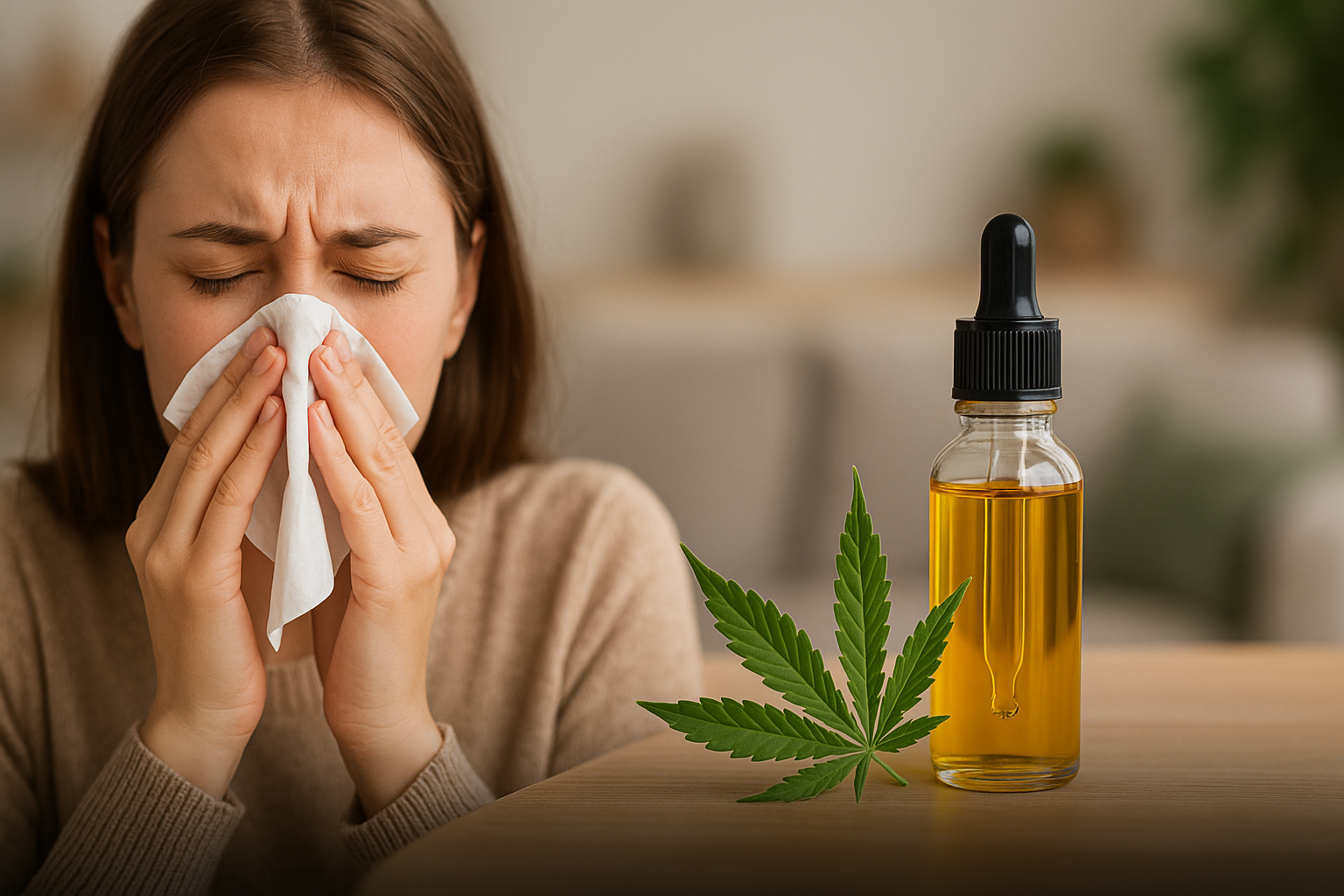
In recent years, interest in hemp-derived products has increased significantly, especially those related to CBD. As their presence in the market grows, questions also arise regarding possible adverse reactions and sensitivities. One of the most frequently asked questions is whether it is really possible to develop an allergy to CBD. Although cannabidiol is not usually considered a common allergen, some people may experience discomfort after contact with certain products made from hemp. In many cases, these reactions are not caused directly by CBD, but by other plant compounds, extraction residues or added ingredients present in the formulation. Understanding how an allergic reaction occurs and learning to identify the symptoms is important in order to distinguish an allergy from a simple intolerance or occasional sensitivity. It is also essential to pay attention to the composition, origin and traceability of each product. At Iberohemp, you can find detailed information on the composition, analyses and characteristics of different references related to hemp and its derivatives.
How a CBD allergy appears and why it may occur
The so-called CBD allergy is usually related to an exaggerated response of the immune system to proteins or compounds present in hemp. Although many people directly associate the reaction with cannabidiol, the body may actually respond to other elements present in extracts, flowers or formulations derived from the plant. Plant proteins, certain natural residues or even some added ingredients may act as triggers in sensitive individuals. When the immune system detects a potentially problematic component, it activates a series of defensive mechanisms that generate inflammation and different physical symptoms. This type of reaction can vary considerably from one person to another and may depend on both individual sensitivity and the route of exposure to the product.
How the immune system responds to certain hemp compounds
The human body is designed to identify external substances and react to them when it interprets them as a threat. In some cases, certain proteins present in hemp may trigger an excessive immune response. As a result, symptoms such as irritation, inflammation, redness or respiratory discomfort may appear. This mechanism is similar to what happens with other allergies related to pollen, plants or environmental substances. The intensity of the reaction may depend on factors such as frequency of exposure, the amount of product handled or the person’s previous sensitivity.
Differences between allergy, sensitivity and intolerance
Terms such as allergy, intolerance or sensitivity are often used interchangeably, although they do not mean exactly the same thing. An allergy involves a specific immune response from the body, while intolerance is usually related to digestive difficulties or sensitivity to certain ingredients. In an allergic reaction, skin symptoms, inflammation or respiratory discomfort may appear, while an intolerance usually manifests as digestive discomfort or unease after contact with certain components. Knowing how to distinguish between both cases is useful when assessing whether it is advisable to avoid certain products or consult a healthcare professional.
Most common symptoms of an allergic reaction related to CBD
The symptoms associated with a possible CBD allergy may vary depending on the person and the type of product used. Not all reactions have the same intensity or appear in the same way. Some people experience mild and temporary discomfort, while others may notice more evident symptoms after contact with hemp-derived products. Reactions usually appear mainly on the skin, in the respiratory tract or in the digestive system. Identifying these signs early makes it possible to act more quickly and avoid unnecessary further exposure.
Skin reactions and irritation
Dermatological discomfort is one of the most common manifestations in people sensitive to certain hemp components. The most frequent symptoms include redness, the appearance of small hives, itching or a sensation of localized irritation. These discomforts may occur after handling extracts, oils or hemp-derived products continuously. In some cases, contact dermatitis may also appear, especially when there is frequent exposure to plant particles or residues present in certain formulations. The intensity of the reaction usually depends both on the contact time and on each person’s individual sensitivity.
Respiratory discomfort related to plant particles
Exposure to particles from hemp may cause irritation in the respiratory tract of particularly sensitive people. Common discomforts include nasal congestion, sneezing, a sensation of irritation or occasional coughing. These reactions may seem similar to those caused by other environmental elements such as dust or certain types of pollen. People with a history of environmental sensitivity or respiratory allergies may be more predisposed to this type of discomfort. For this reason, it is important to pay attention to the environment and to the quality of the products used.
Digestive symptoms and other associated discomforts
In certain cases, digestive discomfort may also appear after contact with products containing CBD or hemp derivatives. Some people describe a feeling of heaviness, nausea, abdominal discomfort or mild digestive disturbances. However, these symptoms do not always indicate an allergic reaction, as they may also be related to intolerances or sensitivity to other ingredients present in the product. When digestive discomfort appears together with skin irritation or respiratory symptoms, it may be advisable to assess whether there is a hypersensitivity reaction related to a specific component of the formulation.
Factors that may increase the risk of sensitivity to CBD
Not everyone reacts in the same way to hemp-derived products. There are certain factors that may increase the likelihood of developing sensitivity or experiencing discomfort after contact with certain formulations. People with a history of environmental allergies, sensitivity to pollen or previous reactions to plant extracts may have a greater predisposition. Factors such as product quality, the presence of contaminants or certain ingredients added during the manufacturing process may also have an influence.
Importance of obtaining a professional diagnosis
If an allergy or sensitivity is suspected, the most advisable step is to consult a healthcare professional for an appropriate assessment. Diagnosis may include specific tests, a review of medical history and analyses aimed at identifying possible triggers. Attempting to self-diagnose can create confusion, especially because many discomforts related to hemp may have causes other than a real allergy. For this reason, it is important to have a professional evaluation that makes it possible to distinguish between allergy, intolerance or occasional sensitivity.
How to identify whether the reaction is related to other components
Sometimes, discomfort is not directly related to CBD, but to other elements present in the product. Preservatives, aromas, carrier oils or plant residues may cause irritation in certain sensitive people. Reviewing the detailed composition and choosing products with independent analyses may help reduce uncertainty and make it easier to identify the origin of the reaction. For this reason, many people prioritize products with documented traceability and verifiable analytical certificates.
The importance of reviewing ingredients and certificates in CBD products
One of the most important aspects when choosing hemp-derived products is to carefully review their composition. Not all products are made in the same way, and quality can vary considerably between manufacturers. Determining the origin of the ingredients, knowing the extraction method and verifying the existence of independent analyses can be useful to minimize risks and avoid exposure to unnecessary components.
Ingredients and elements worth reviewing
Some products may include added ingredients that cause sensitivity in certain people. The most common include certain carrier oils, aromas, preservatives or residues derived from the extraction process. It is also important to pay attention to possible environmental or microbiological contaminants. In the case of CBD flowers and other plant-derived products, proper preservation and storage also influence the final quality of the product.
Why laboratory analyses are important
Analytical certificates provide relevant information about the composition and purity of the product. Through these analyses, it is possible to verify aspects such as the cannabinoid profile, the absence of unwanted residues or the presence of external contaminants. Consulting this type of documentation helps to choose products with greater quality control and makes it easier to make more informed decisions about hemp-derived products.
What to do in the event of a possible allergic reaction to CBD
If discomfort appears after using a hemp-derived product, the first recommended step is to stop using it and observe how the symptoms evolve. Staying calm and avoiding further exposure may help reduce the initial irritation. Depending on the type of reaction, some discomfort may disappear quickly after contact with the product is removed, while other cases may require professional assessment.
Initial measures for mild discomfort
When the reaction is mild, it may be useful to carefully clean the affected area and avoid continuing to handle the product. In the case of skin irritation, keeping the skin clean and avoiding scratching helps reduce additional discomfort. If the discomfort is related to environmental particles, ventilating the space and moving away from the environment may help reduce exposure.
When to consult a healthcare professional
It is important to seek medical attention if more intense symptoms appear, such as breathing difficulty, significant swelling or major general discomfort. A specialist will be able to assess the origin of the reaction and determine the most appropriate measures in each situation. It is also advisable to consult a professional when discomfort is repeated frequently after contact with certain hemp-derived products.
Precautions for people sensitive to hemp-derived products
People with a history of sensitivity or environmental allergies may adopt certain preventive measures before using new products related to hemp. Choosing formulations with clear composition, verifiable traceability and independent analyses helps reduce uncertainty and makes it easier to know exactly what each reference contains.
Importance of choosing products with transparent information
Having access to certificates, detailed composition and information about the production process makes it possible to better assess product quality. In categories such as CBD oils or hemp-derived extracts, this information is especially relevant. Transparency in labeling and the availability of independent analyses are increasingly valued by those looking for products with greater control guarantees.
Good storage and handling practices
The way products are stored also influences their condition and preservation. Keeping them in dry places, away from humidity and properly closed helps preserve their characteristics and reduce possible alterations. In addition, periodically checking the condition of the product and keeping the batch information may help identify possible incidents related to a specific reaction.
How to understand and manage a possible CBD allergy
The possibility of developing a CBD allergy or sensitivity to certain hemp-derived products exists, although it is not a particularly frequent reaction. In many cases, discomfort is related to other components present in the formulation and not directly to cannabidiol. Learning to identify symptoms, carefully reviewing the composition and choosing products with traceability and independent analyses are important aspects for minimizing risks and making more informed decisions. Consulting detailed information on composition and quality can be useful for those looking for hemp-derived products with greater guarantees of control and transparency.


Leave a comment
This site is protected by hCaptcha and the hCaptcha Privacy Policy and Terms of Service apply.