

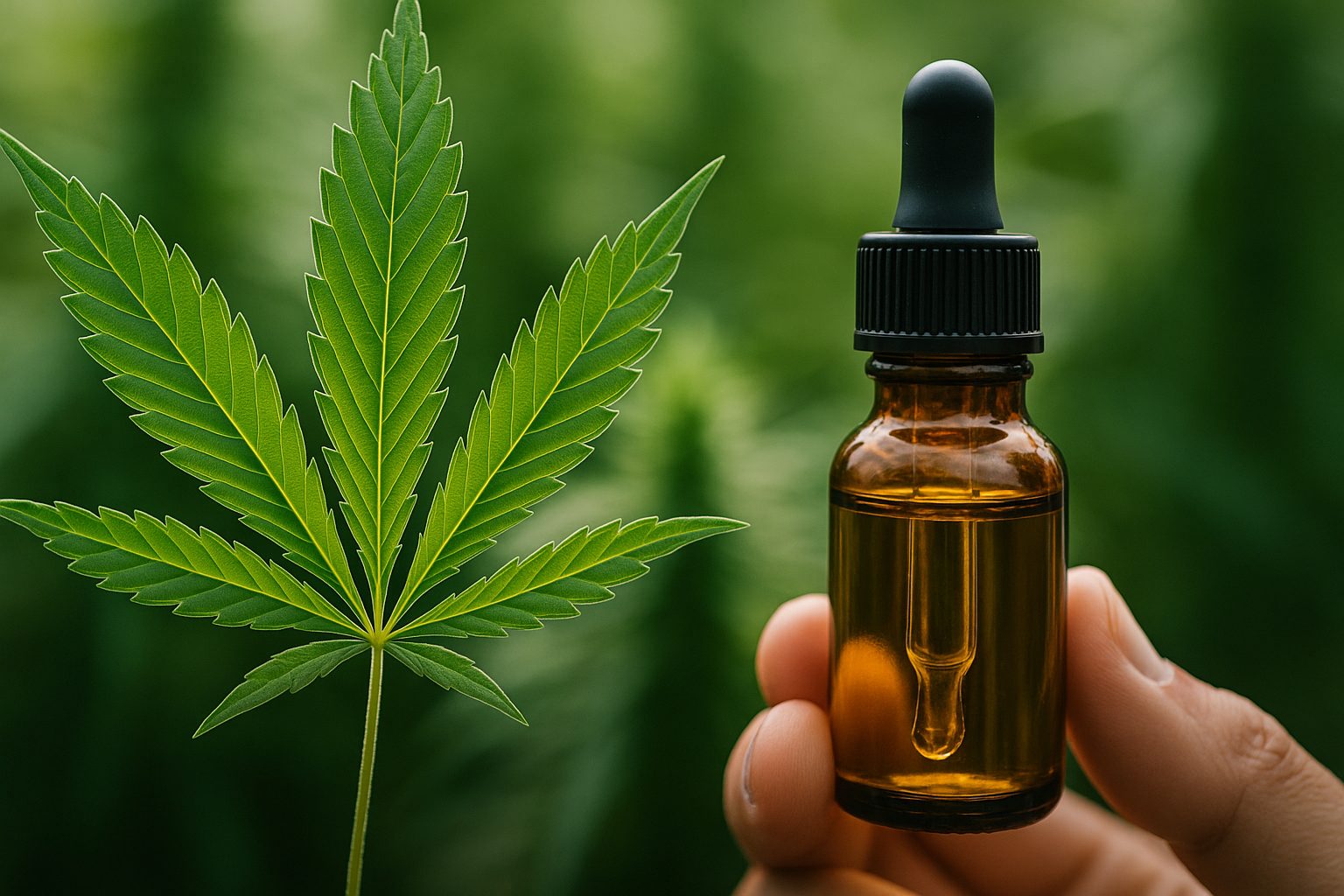
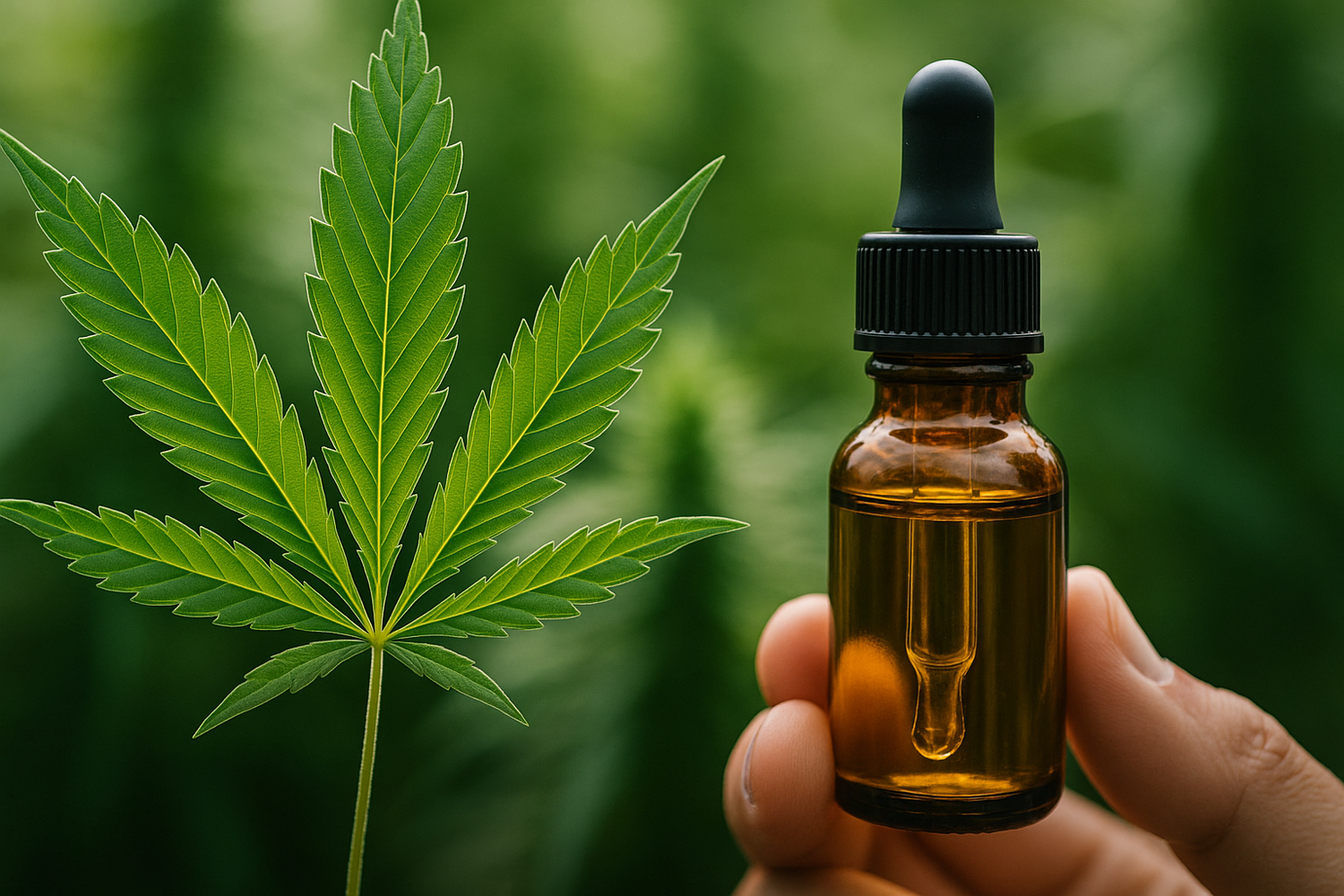
Interest in minor cannabinoids continues to grow within the hemp sector, and one of the compounds currently attracting increasing attention is 10-OH. Although it is still a little-known cannabinoid compared to CBD or CBG, it is appearing more and more often in conversations related to innovation, specialised extracts and new hemp-derived formulations.
The evolution of extraction and analysis techniques has made it possible to identify less abundant compounds and expand knowledge about the natural chemical complexity of the Cannabis sativa L. plant. In this context, 10-OH has started to position itself as one of the emerging cannabinoids generating the greatest curiosity within the premium hemp industry.
In this article, we analyse what 10-OH is, how it is obtained, its molecular characteristics and how it differs from other well-known cannabinoids. We will also review aspects related to traceability, formulation processes and the legal situation of this type of compound in today’s hemp market.
Why 10-OH is gaining interest within the hemp sector
Attention around 10-OH has increased in parallel with the growth of the hemp-derived cannabinoid market. As manufacturers and laboratories develop more specific extracts and differentiated cannabinoid profiles, new compounds are emerging that are beginning to attract both technical and commercial interest.
One of the aspects that draws the most attention to 10-OH is its molecular profile and its possible integration into different formulations related to hemp extracts. In addition, the growing interest in premium products has encouraged the search for less common cannabinoids that allow more specialised proposals to be developed within the market.
The evolution of categories such as CBD oils, concentrated extracts and other hemp derivatives has also favoured interest in more complex and differentiated cannabinoid profiles.
The rise of minor cannabinoids
In recent years, minor cannabinoids have gone from being practically unknown compounds to becoming a line of innovation within the hemp sector. Initially, much of the research focused on better-known cannabinoids such as CBD or THC, but advances in analytical tools have made it possible to identify many other compounds present in low concentrations.
The improvement of extraction and refining techniques has also made it easier to work with less abundant cannabinoids and develop more complex formulations. This growing interest responds both to chemical research and to the search for new possibilities within the market for hemp-derived extracts.
Chemical structure and molecular profile of 10-OH
From a chemical point of view, 10-OH presents structural characteristics that differentiate it from other better-known cannabinoids. The presence of an additional hydroxyl group modifies certain parameters related to polarity, stability and the behaviour of the compound during extraction and formulation processes.
These molecular differences are especially important for laboratories and manufacturers working with high-purity extracts and technical formulations derived from hemp.
Chemical characteristics of 10-OH
From a chemical perspective, 10-OH usually refers to hydroxylated derivatives such as 10-OH-HHC, a molecule related to HHC that incorporates a hydroxyl group (-OH) in position 10 of its structure. This chemical modification changes certain parameters of the compound, especially its polarity, its behaviour with specific solvents and its identification through laboratory analytical techniques. In chemical databases, 10-Hydroxy-HHC is described with the formula C21H32O3, compared with HHC, which is registered as C21H32O2, reflecting the incorporation of an additional oxygen atom associated with the hydroxyl group.
This structural difference may influence how the compound behaves during purification, chromatographic separation and formulation processes, although there is still little independent scientific literature on its specific technical properties. For this reason, in an informative article it is better to avoid overly definitive statements such as “improves stability” or “favours certain applications” unless specific supplier analyses or peer-reviewed studies are available. The most cautious approach is to explain that the presence of the hydroxyl group may modify its physicochemical behaviour and that its correct identification requires HPLC, mass spectrometry or other analytical techniques.
In addition, 10-OH should not be presented as a cannabinoid equivalent to CBD. While CBD is a widely studied phytocannabinoid naturally present in hemp varieties, 10-OH-HHC is considered an emerging compound related to the semi-synthetic cannabinoid market. Some references describe it as a substance recently identified in Europe, which reinforces the need to approach it with caution from a regulatory, technical and commercial point of view.
Conversion and production from CBD extracts
10-OH is usually associated with cannabinoids of semi-synthetic origin, obtained through transformation processes applied to extracts or compounds from hemp, especially from CBD-rich raw materials or related derivatives.
These procedures may involve chemical conversion techniques, as well as separation, refining and chromatographic purification processes aimed at isolating or concentrating specific cannabinoid compounds.
Subsequently, impurity control, batch traceability and analysis using laboratory methods are essential to verify the actual composition, purity and quality of the final product. Due to the complexity of these processes, it is important to have updated technical documentation and analytical certificates.
Differences between 10-OH and other cannabinoids
Comparing 10-OH with other cannabinoids helps to better understand its role within the new generation of hemp-derived extracts. Although it shares certain common characteristics with compounds such as CBD or CBG, there are important differences related to its chemical behaviour and formulation processes.
Unlike better-known cannabinoids such as CBD or CBG, which can be found naturally in the hemp plant, 10-OH-HHC is usually linked to more specific production processes and specialised formulations.
Solubility and stability of 10-OH
The presence of a hydroxyl group (-OH) can modify the chemical behaviour of a molecule, including its interaction with specific solvents or formulation systems. In the case of 10-OH, this characteristic may influence its technical handling within extracts, liquid bases or emulsions, although the public information available on its specific properties remains limited.
In addition, storage conditions are important to preserve the quality of hemp-derived extracts. Factors such as exposure to light, humidity or high temperatures can affect the stability of different cannabinoids and the conservation of the final product.
Differences compared with CBD and other known cannabinoids
CBD remains one of the most widespread cannabinoids within the hemp market and is commonly used as a reference in commercial extracts and formulations. CBG also has a growing presence, although smaller than that of CBD.
10-OH, on the other hand, is considered a more recent and specialised compound. Its commercial presence is more limited and is usually related to derivative products or formulations developed through more complex technical processes.
For this reason, when discussing 10-OH, it is advisable to maintain an informative approach, avoid direct comparisons with widely established cannabinoids and highlight the importance of traceability, laboratory analysis and product technical documentation.
Possible industrial and commercial applications of 10-OH
Interest in emerging cannabinoids such as 10-OH is related to the evolution of the hemp-derived extract market and the development of new formulations within the sector.
Currently, some companies and laboratories are analysing different minor cannabinoids with the aim of studying their behaviour in technical formulations, specialised extracts and hemp-derived products.
Cosmetic formulations and personal care
Within the cosmetics sector, there is growing interest in plant extracts and cannabinoid profiles used in formulations related to personal care.
In this context, some manufacturers are researching the incorporation of emerging cannabinoids into oils, balms and other hemp-derived cosmetic formulations, always within the applicable regulatory framework and with appropriate quality controls.
Because 10-OH remains a little-used compound with limited public information, technical documentation and laboratory analyses continue to be especially important.
Innovation in extracts and premium products
The evolution of the premium market also drives interest in more complex extracts and differentiated cannabinoid profiles within the hemp industry.
Some experimental formulations combine hemp-derived extracts with minor cannabinoids to develop new commercial proposals aimed at specialised market segments.
In this type of product, aspects such as traceability, purity and laboratory analyses are essential to verify the composition and maintain greater quality control over the final product.
Legal status and regulation of 10-OH
Regulation related to emerging cannabinoids such as 10-OH can vary considerably depending on the country, region and type of product. In many cases, regulations take into account aspects such as THC content, the legal origin of the hemp, the production method and the final composition of the extract.
In the case of little-known cannabinoids or those obtained through specific technical processes, the legal situation can be particularly complex. For this reason, any product related to minor or emerging cannabinoids should be accompanied by analytical documentation, updated certificates and data that make it possible to verify its composition, traceability and absence of unauthorised substances.
Regulation in Europe and other markets
In Europe, industrial hemp cultivation is linked to authorised varieties with a THC content not exceeding 0.3%, according to the Common Agricultural Policy framework. However, the commercialisation of extracts, isolated cannabinoids or formulated products also depends on national regulations and the intended use of the product.
In addition, products intended for food or food supplements may be subject to the Novel Food framework, as the European Commission considers CBD a novel food when it meets the conditions of this legislation.
In other international markets, such as the United States or some Latin American countries, the legal situation also depends on the origin of the hemp, the final cannabinoid content and whether the compound is considered natural, derived or synthetic. In the United States, for example, the DEA has begun the specific inclusion of HHC as a Schedule I controlled substance, showing that HHC-related cannabinoids may be subject to relevant regulatory changes.
Because regulations on emerging cannabinoids continue to evolve, it is advisable to always review the specific legislation of each country before marketing, importing or distributing products with 10-OH.
Importance of certificates of analysis
Certificates of analysis make it possible to verify aspects such as the cannabinoid profile, THC content, the possible presence of contaminants and the consistency between the declared composition and the actual composition of the product.
They also provide transparency for manufacturers, distributors and consumers interested in hemp-derived products with verifiable traceability.
Having updated analyses, technical documentation and batch control is especially important when working with minor cannabinoids, specialised extracts or emerging compounds whose legal and technical situation may vary depending on the market.
How to evaluate products related to 10-OH
As new cannabinoids appear on the market, it is important to carefully review the technical information available before assessing, distributing or marketing a product related to 10-OH.
The main aspects to check are the declared composition, the origin of the extract, the THC content, the batch traceability and the existence of updated certificates of analysis. These certificates help verify the cannabinoid profile, the declared potency and possible controls for contaminants such as solvent residues, heavy metals or pesticides.
It is also advisable to check whether the manufacturer provides clear information about the production, refining and quality control process, especially when dealing with minor or emerging cannabinoids.
Specialised laboratories play a key role in verifying hemp-derived extracts. Techniques such as high-performance liquid chromatography are commonly used to identify and quantify cannabinoids present in this type of product.
In products related to premium extracts and hemp derivatives, analytical quality, purity and documentary traceability are essential to provide transparency and control over the actual composition of the product.
The role of 10-OH within the hemp market
10-OH, usually associated with 10-OH-HHC, is part of the emerging cannabinoids that have appeared in recent years within the hemp derivatives market. Its interest is related to the search for differentiated cannabinoid profiles, the evolution of formulation processes and the development of more specialised extracts.
Even so, it is a compound for which public information remains limited, so it should be approached with caution and overly conclusive statements should be avoided. In this context, traceability, certificates of analysis, manufacturer transparency and compliance with applicable regulations will continue to be fundamental elements when assessing any product related to 10-OH.


Leave a comment
This site is protected by hCaptcha and the hCaptcha Privacy Policy and Terms of Service apply.